Part Six · The Tricksters
Chapter 28
The Fox, the Jackal and the Coyote
Clever jackals who advise kings, the fox who became a messenger of the gods, and Coyote who stole fire.
Assisted and Curated by Claude, Referenced and Collated by me
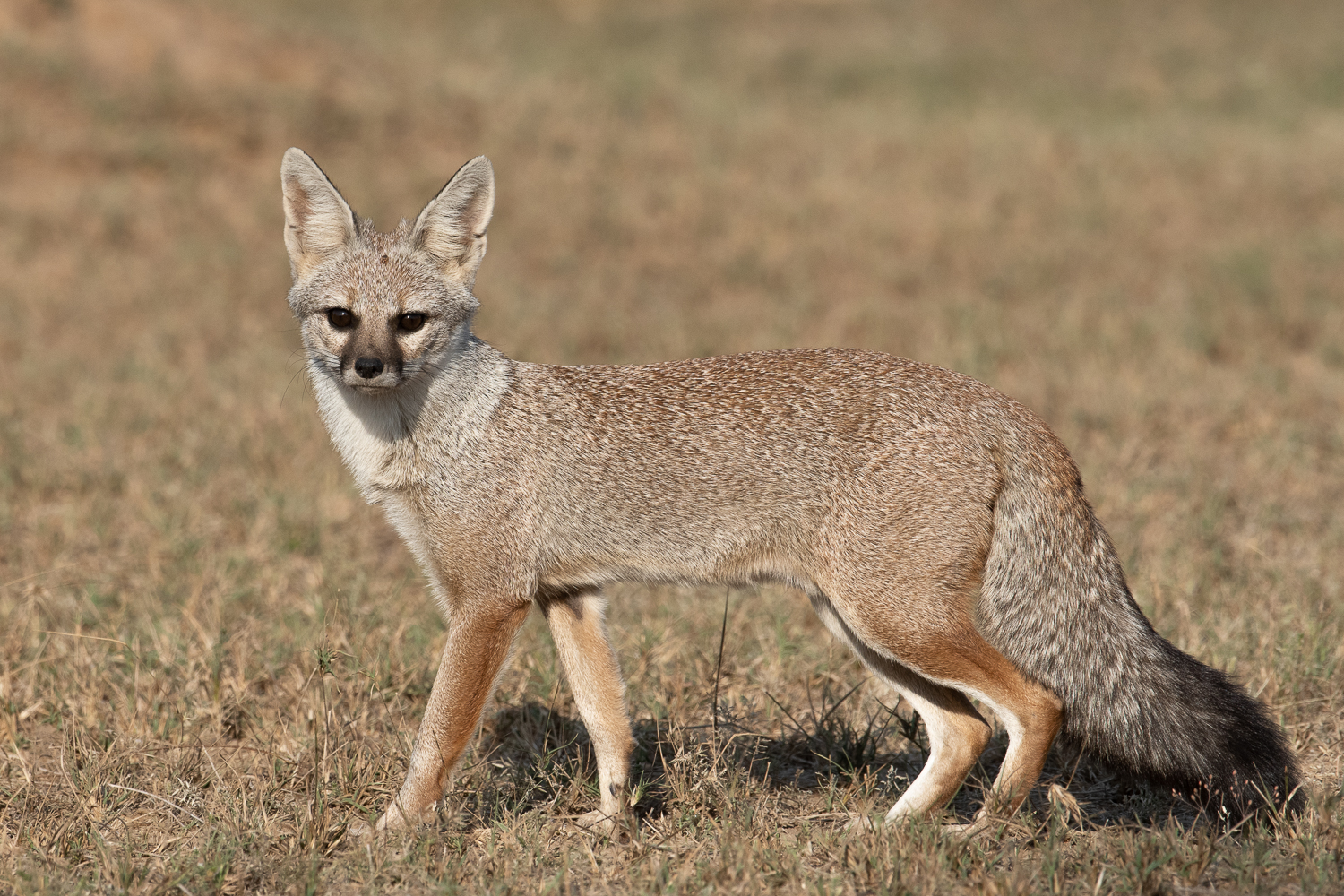
Scientific name: Vulpes · Canis aureus · Canis latrans
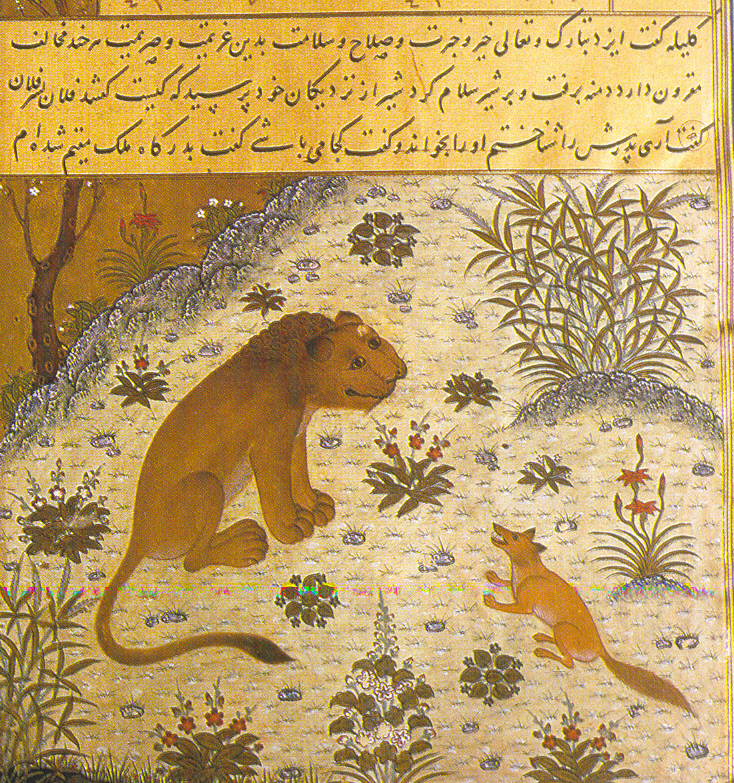
The Panchatantra is a very old book of Indian animal stories, written to teach young princes how to be wise. The first story is about a lion king named Pingalaka. One day he hears a huge bellow and gets scared. It is only a bull named Sanjivaka. Two jackals, Karataka and Damanaka, are watching. Damanaka introduces the bull to the lion, and they become best friends. But then Damanaka gets jealous and tells lies to each of them about the other, until the friendship is ruined.
The lesson: be careful of people who whisper tales to you! The Panchatantra travelled to Persia, Arabia and Europe, and became one of the most translated books in the world. In Arabic it is called Kalila wa Dimna, after the two jackals.

The survivors
Foxes, jackals and coyotes belong to the dog family. They are clever and will eat almost anything. The golden jackal lives in pairs for life, and its howling chorus at dusk is a familiar sound in Indian villages. The little Bengal fox has a black tip on its tail.

Red foxes jump high and dive nose-first into snow to catch mice they can hear underneath. Some scientists think foxes might even use the Earth's magnetism to aim!
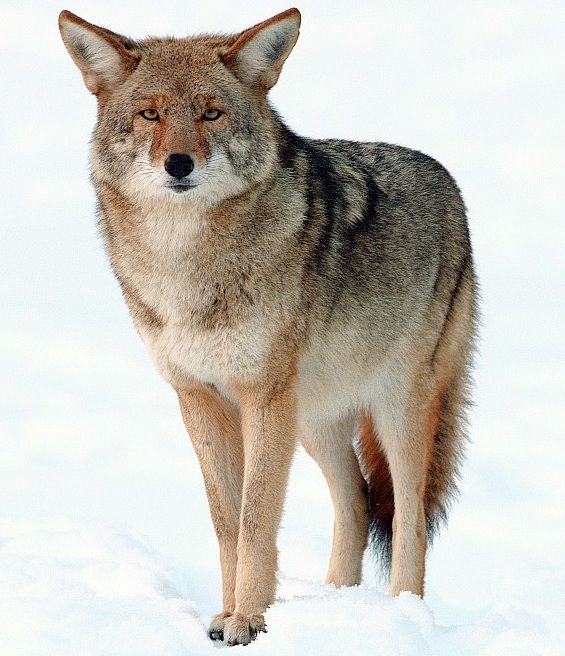

The coyote of North America has spread all over the continent, even into big cities like Chicago and Los Angeles, even though people tried hard to get rid of it.


The fox that became a dog
In 1959, scientists in Russia began a famous experiment. Each year they chose only the calmest, friendliest foxes to have babies. After a few generations, the foxes wagged their tails and liked to be stroked! Over the years, some even grew floppy ears and curly tails, like dogs. It showed how wolves might have turned into dogs long ago.


The trickster
Clever animals who live near people often become 'tricksters' in stories: characters who break the rules, play tricks, and sometimes get tricked themselves.


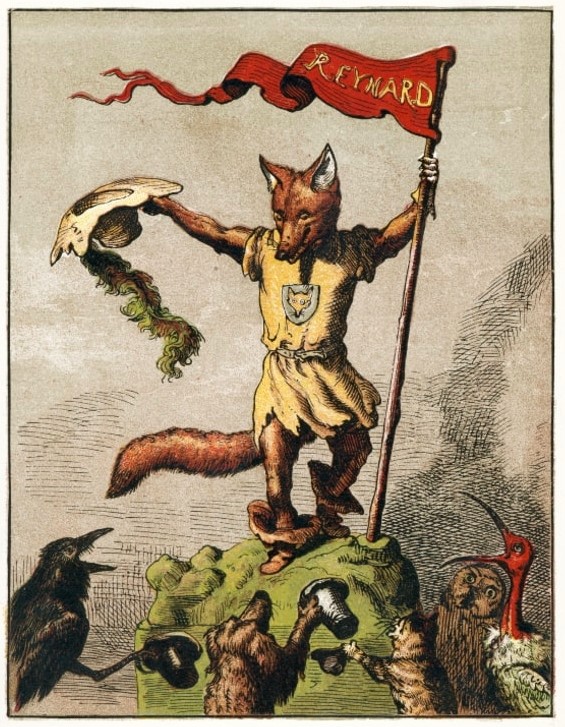
In North America, the trickster is Coyote. In stories, he steals fire and gives it to people, and scatters the stars across the sky carelessly. In Europe, the trickster is Reynard the Fox, who fools the lion king. Reynard was so famous that the French word for fox became renard! And in Aesop's fables, the fox who cannot reach the grapes says, 'They are sour anyway!'


Read the Panchatantra story of the blue jackal, who fell into blue dye and pretended to be king.
The fox goddess
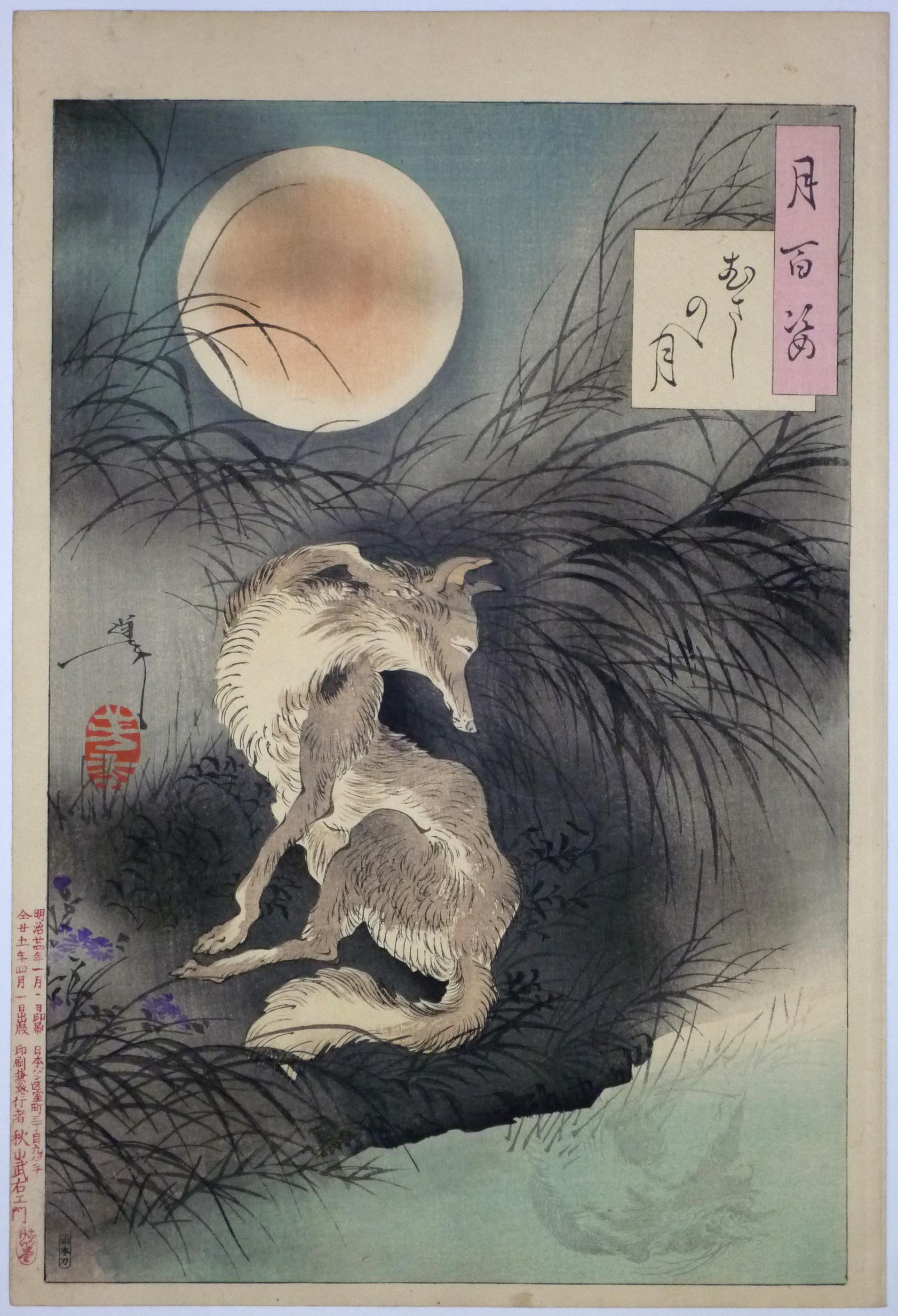
In Japan, the fox, or kitsune, is a messenger of Inari, the god of rice and harvests. Stone foxes guard thousands of Inari shrines. The famous Fushimi Inari shrine in Kyoto has tunnels of bright orange gates. Stories say a fox grows a new tail every hundred years, so a nine-tailed fox is very old and powerful! Farmers liked foxes because they ate the rats that ate the rice.


In India, when the sun shines while it rains, people say the jackals are getting married!



The jackal and the dead
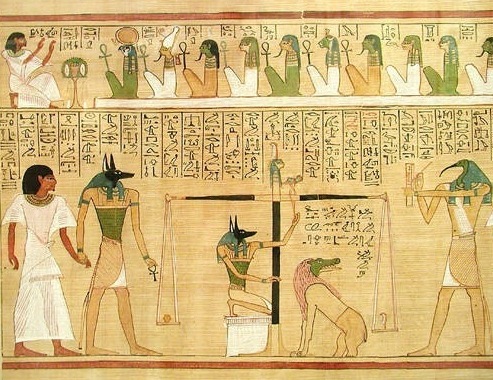
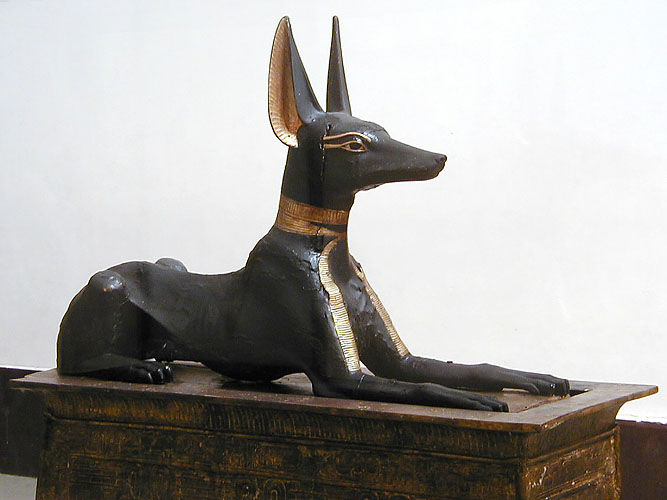
In ancient Egypt, the god Anubis had the head of a black jackal. He protected the dead. Scientists recently found that Egypt's 'jackals' are actually a kind of wolf, so Anubis may have been a wolf!
In India, the jackal is often the clever one in folk tales, and jackals are linked with the goddess Kali.


What the tricksters teach
Tricksters remind us that being clever is not the same as being good. Cleverness can be used to help or to harm. And foxes, jackals and coyotes are some of the few wild animals doing well today, because they are so good at adapting.

Read The Little Prince, where a fox asks to be tamed, and Roald Dahl's Fantastic Mr Fox. Watch Fantastic Mr. Fox (2009), Disney's Robin Hood (1973) and Zootopia (2016).
