Coda
The Twenty-Four Teachers
What animals can teach us, what we have lost, and what we can still save.
Assisted and Curated by Claude, Referenced and Collated by me

In an old Indian book, the Bhagavata Purana, a king meets a happy wanderer who owns nothing. 'Who taught you to be so wise?' the king asks. The wanderer, the sage Dattatreya, says he had twenty-four teachers.
The earth taught him patience. The wind taught him to move freely. And animals taught him too: the honeybee, which takes a little nectar from many flowers without hurting them; the python, which waits calmly; the bird that found peace when it let go of what it was holding; and the spider, which spins a web from its own body and pulls it back again.

The whole world can be our teacher, if we pay attention.
About 2,250 years ago, Emperor Ashoka carved a list of animals that should not be killed. It is one of the world's oldest laws to protect wildlife.
The hidden beauty
Science has shown us how deep animal lives are. Elephants talk in rumbles too low for us to hear. Whales sing. Chimpanzees have customs. Orangutans use medicine. Wolves are families. Owls hear where a mouse is. Snakes sense heat. Bears feed forests with fish.

A scientist named Jakob von Uexküll said every animal lives in its own bubble of senses. A bat lives in a world of echoes. A dog lives in a world of smells we cannot imagine. Learning about an animal is like peeking into another world.
Watch My Octopus Teacher (2020), about a diver who learns from an octopus, just like the sage who learned from animals.


What we have lost
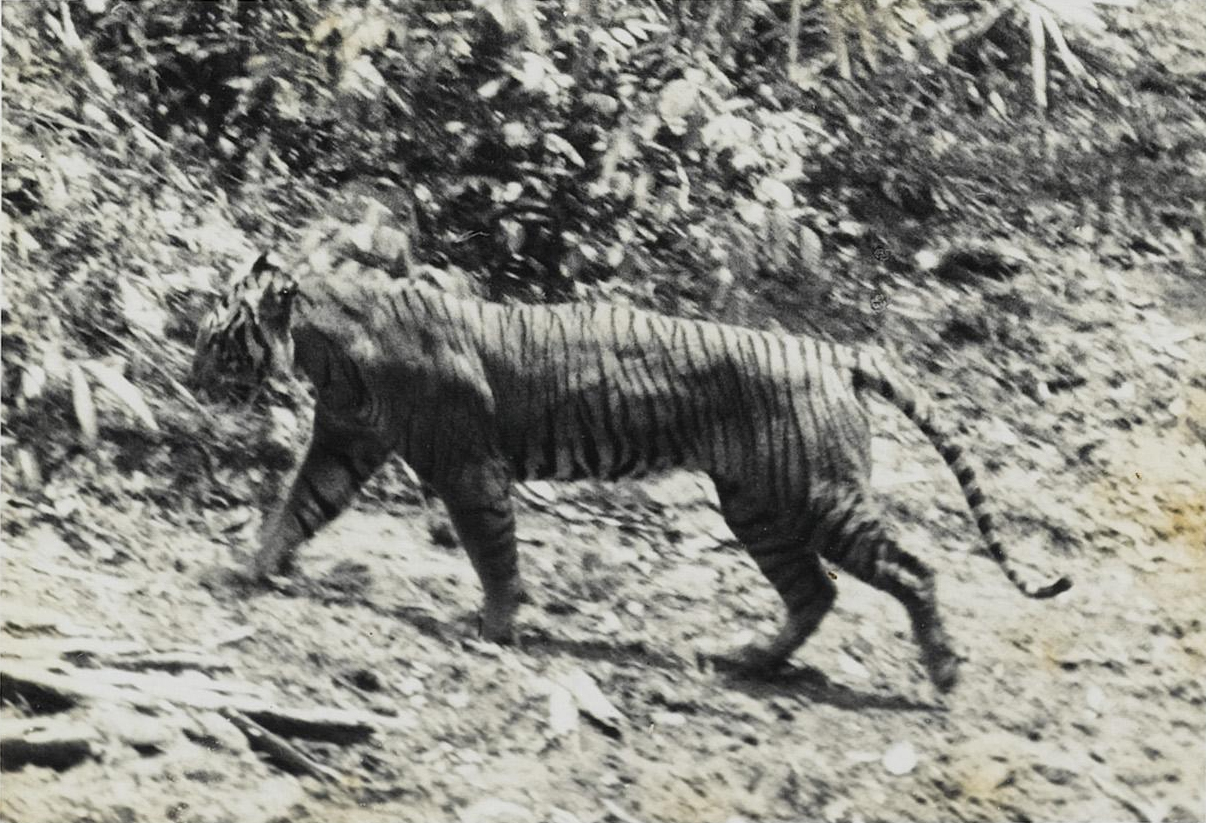
Here is the hard part. Since 1970, the number of wild animals scientists have been counting has dropped a lot, by nearly three-quarters on average. The reasons are known: forests cut down, too much hunting and fishing, pollution, and a changing climate.

But we have also seen how people saved animals: a Nawab who stopped lion hunting, villagers who protected trees, scientists who listened to whales, a country that banned a medicine to save vultures. What happens to the other nations depends a lot on what we choose to do.

Rachel Carson's book Silent Spring started people protecting nature. Ask a grown-up to tell you about it.


The alarm call, again
Remember the langur and the chital at the very start? The whole forest was listening to each other's warnings. Nature is like that: everything is connected.

We are part of that web too. Today, the forest is sounding an alarm, and this time it is calling to us. Will we listen, like the chital listened to the langur?