Part Five · Scale and Water
Chapter 27
The Whale and the Dolphin
Whale songs that travel across oceans, orca grandmothers who lead, a nearly blind dolphin in the Ganga, and the great fish of stories.
Assisted and Curated by Claude, Referenced and Collated by me
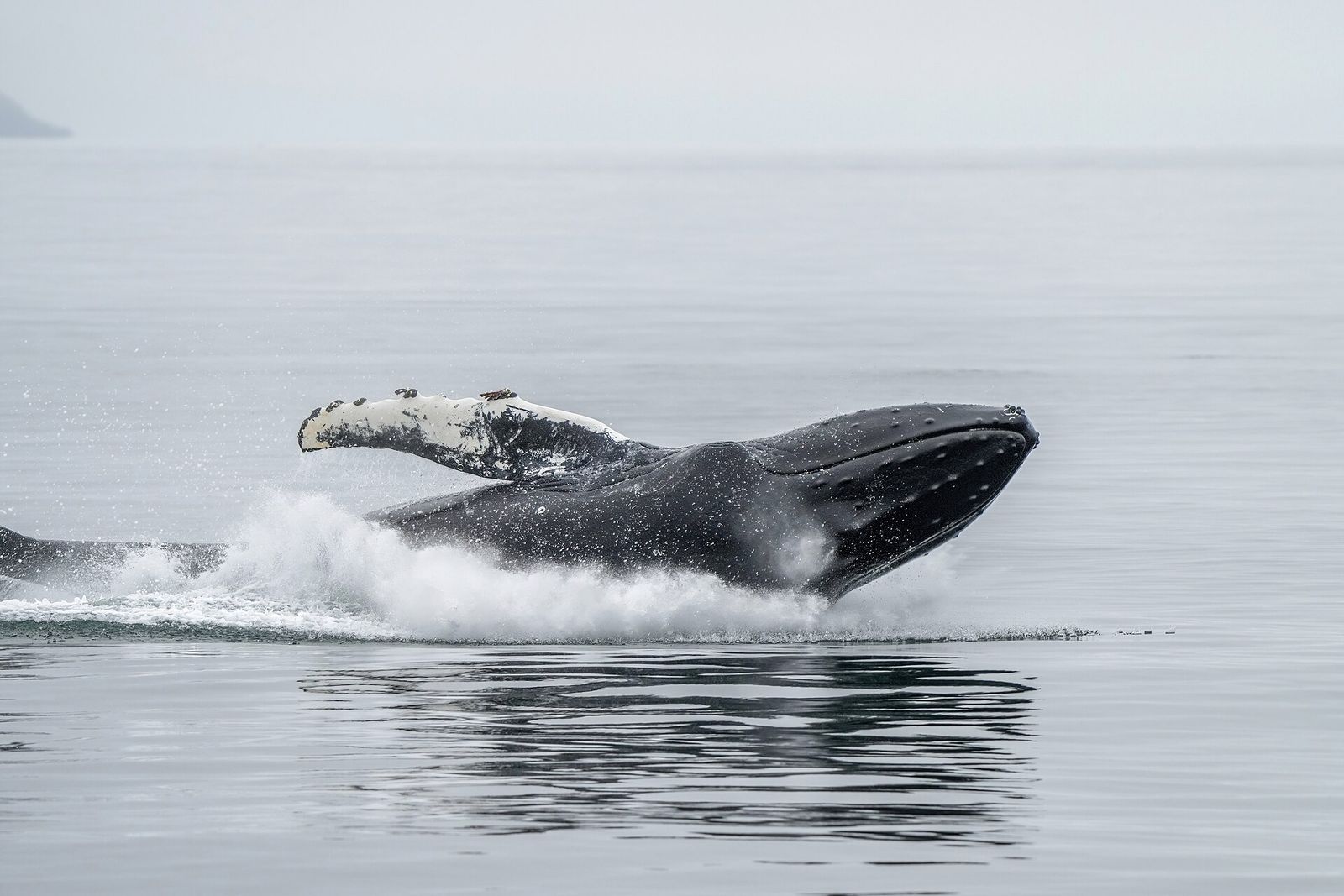
Scientific name: Infraorder Cetacea
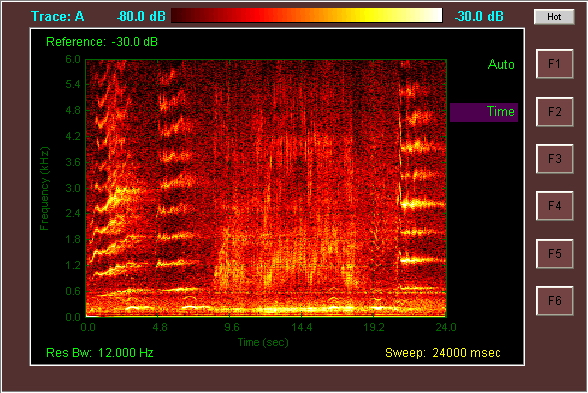
In the 1960s, two scientists listened to recordings of humpback whales and heard something amazing: long moans, whoops, rumbles and cries, arranged in patterns that repeated, like real songs. Some songs lasted more than half an hour!
They made a record called Songs of the Humpback Whale, and people all over the world loved it. It helped start the 'Save the Whales' movement, and in 1986 most hunting of whales was stopped. Listening to an animal's voice changed the law!

The singers
Only male humpbacks sing, and all the males in one area sing almost the same song. The song slowly changes. In Australia, scientists noticed a couple of whales singing a new song from another ocean. Within two years, every male there had switched to the new song! Songs spread across the ocean like a hit song spreading around the world.
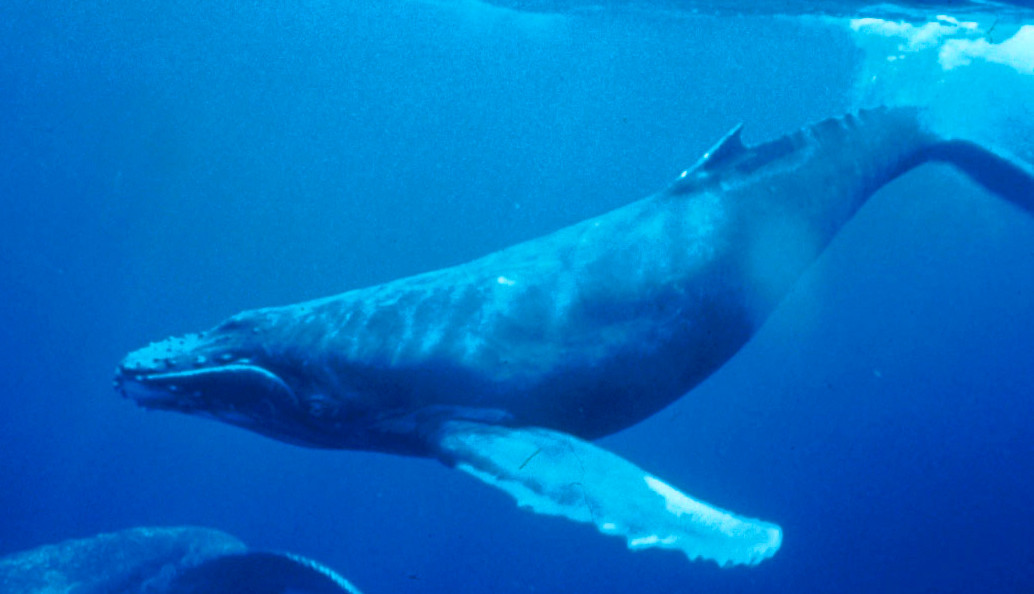
Sperm whales talk in patterns of clicks. Different whale groups use different click patterns, a bit like accents. Scientists are now using computers to try to understand them.

Fossil whales in Egypt's desert still have little back legs, because whales came from land animals.

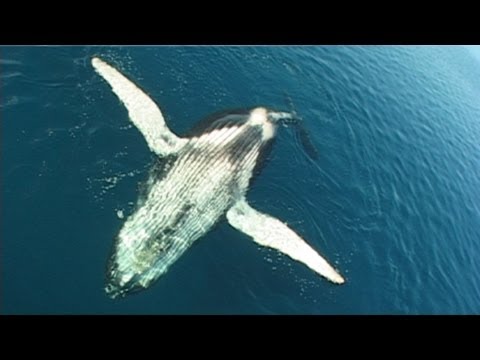
The grandmothers of the sea
Orcas, also called killer whales, are actually the biggest kind of dolphin. In some orca families, sons and daughters stay with their mother all their lives. Orca grandmothers live long after they stop having babies, and they lead the family to fish, especially when food is hard to find. Like elephant grandmothers, they carry the family's knowledge.

Orcas seem to feel sadness too. In 2018, an orca mother carried her baby, who had died, for seventeen days while her family swam beside her.

The blue whale is the biggest animal that has ever lived, bigger than any dinosaur, more than thirty metres long! The bowhead whale of the Arctic may live for over two hundred years.

Watch Free Willy (1993), about a boy who helps a captive orca go free.

The blind dolphin of the Ganga
India's national water animal is the Ganges river dolphin, called the susu because of the sound it makes when it comes up to breathe. It lives in the muddy Ganga and Brahmaputra rivers, where you cannot see much anyway, and it is almost blind!

It finds its way by making clicking sounds and listening to the echoes. This is called echolocation. It often swims on its side, sweeping its long beak through the mud for fish. Only a few thousand are left, and they need clean, free-flowing rivers. In Chilika lake in Odisha live Irrawaddy dolphins, with round heads that make them look like they are smiling.

In Gujarat, fishermen now free the giant whale sharks caught in their nets, calling them daughters coming home.


The great fish
In Hindu stories, Vishnu's first form was Matsya, a fish. The sage Manu found a tiny fish in his hands that asked for help. He put it in a jar, then a pond, then a river, then the sea, and it kept growing! The fish then warned Manu of a great flood and told him to build a boat with seeds of every living thing. When the flood came, the fish pulled the boat to safety.
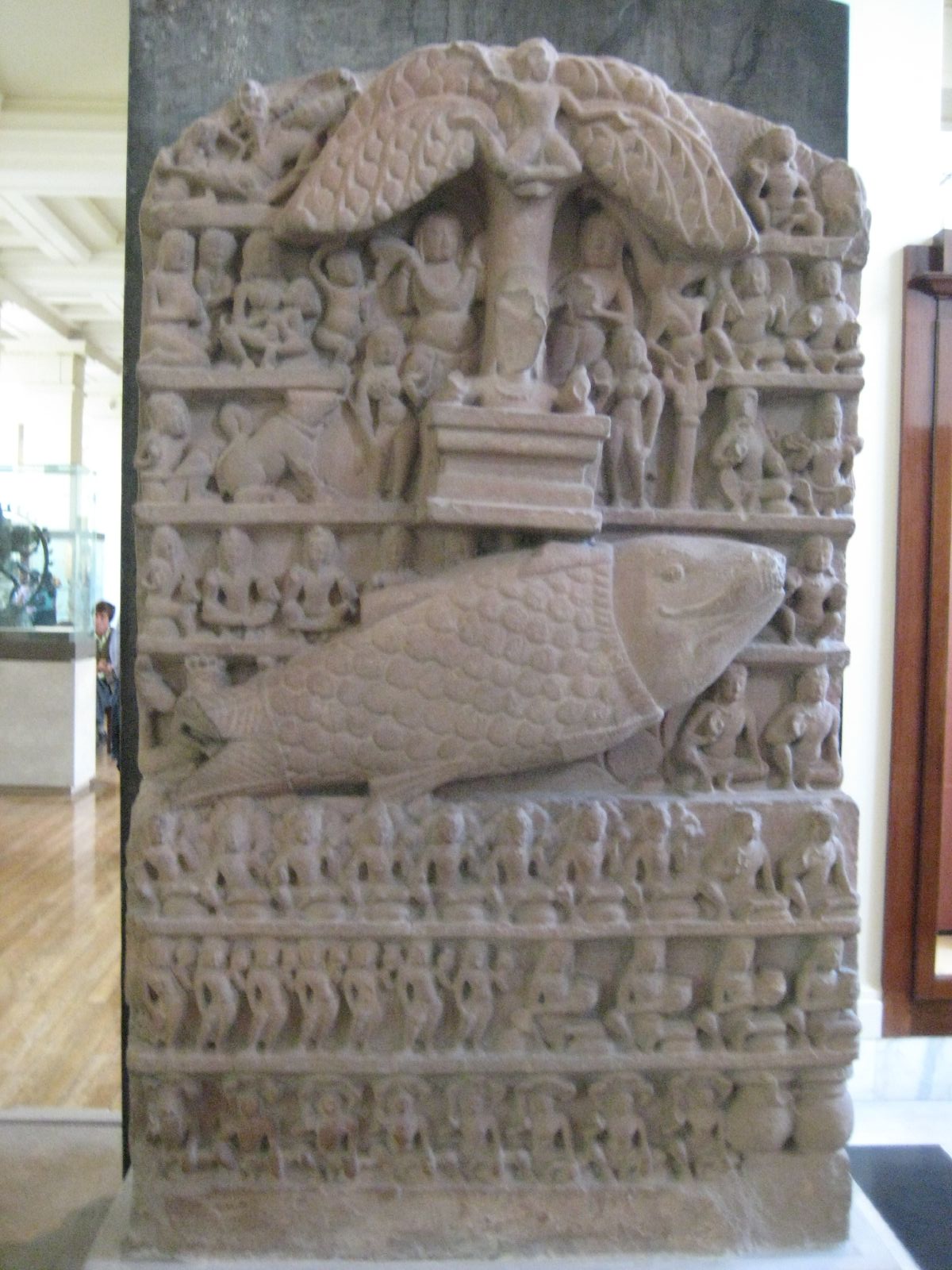

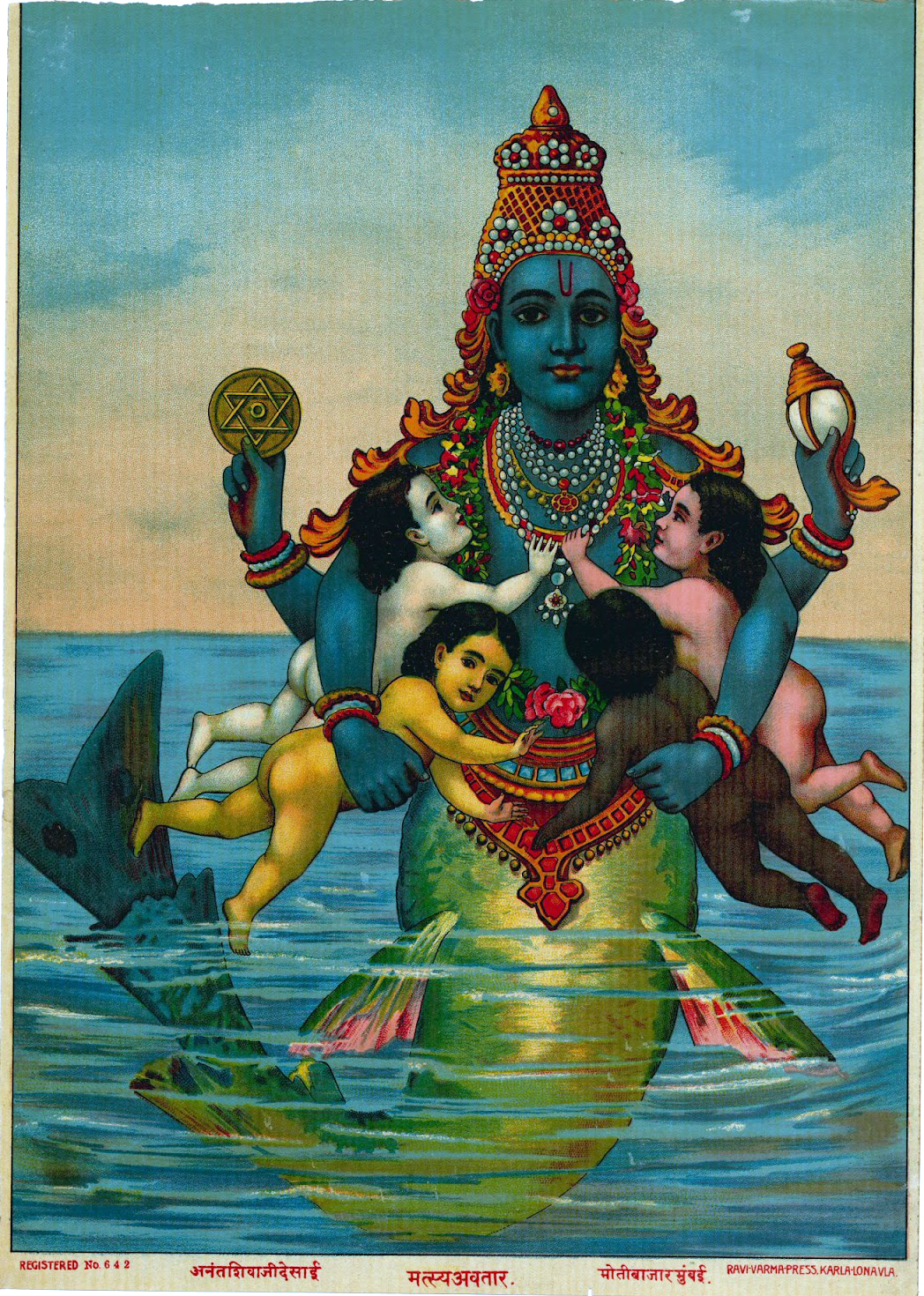
In the Bible, Jonah was swallowed by a great fish and came out after three days. In Greece, a dolphin carried the singer Arion to safety. In Vietnam, people hold funerals for whales that wash ashore. And a Māori hero, Paikea, rode a whale to New Zealand.


Read or watch Whale Rider, about a Māori girl who can call whales.


What the whales teach
Whales show that clever minds, songs and families are not only found on land. People used to hunt whales for oil. When we finally listened to them, we started to protect them. We protect what we learn to hear.

