Part Four · Power
Chapter 14
Why Do People Follow Rules?
We don't obey people in charge only because we're scared. Mostly we obey because we believe they have the right to be in charge.
Featuring Weber · Merton · Luhmann
Assisted and Curated by Claude, Referenced and Collated by me
The guard in the crowd
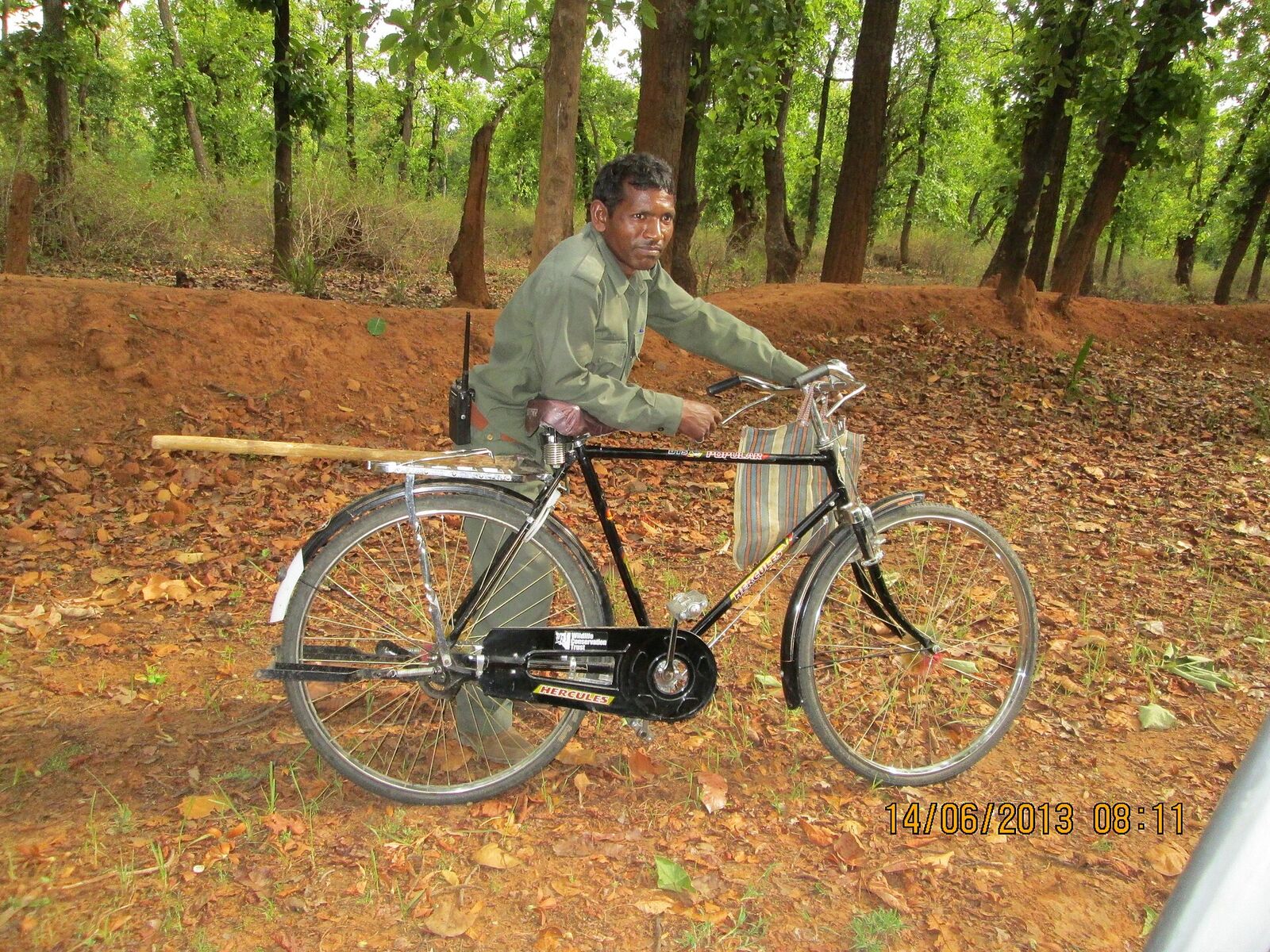
Think of the weekly market again. A forest guard walks through the crowd in his khaki uniform, carrying a stick and a notebook. There are two thousand people, and he's just one man. If they all ignored him, he couldn't do anything. Yet people quietly hide things they're not supposed to sell, and a man carrying firewood steps behind a stall. They don't just fear him. They feel he stands for something real.
Now imagine the same man on his day off, without his uniform. Nobody hides anything! He's just a man from the next village. What changed? Not his strength. In uniform, he's the end of a long chain: his boss, the forest department, the state government, laws made by leaders the villagers voted for, and finally the Constitution. People obey because they accept that chain.
Max Weber called this acceptance legitimacy (say it "le-JIT-i-ma-see"), which means being seen as rightful.
Power that people believe in
Weber said power is being able to get your way even when others don't want you to. But power based only on force is tiring and wobbly. A ruler who must force everyone all the time will run out of soldiers! So lasting power needs people to believe it's right. Weber called rightful power authority, and said there are three kinds.
1. Old custom
Traditional authority comes from custom. The king rules because his father did. The village headman is obeyed because his family always held the job. In many tribal villages of central India, people still respect a headman, a village priest and a council of elders, alongside the elected sarpanch and government officials.
2. A special person
Charismatic authority comes from a leader whom people see as amazing: a hero, a saint or a liberator. People follow him because of who he is, not because of any rule. This kind of power can shake up old ways, but it can fade if the leader fails.
In 1930, Gandhi walked 240 miles to Dandi to make salt, breaking an unfair British law. He held no official job at all, but crowds followed him and millions copied him. In 1956, Dr Ambedkar led half a million people in Nagpur in becoming Buddhists. People followed him because of his struggle, learning and courage.
When the special leader is gone
A special leader can't be copied or handed down. When he dies, followers ask: how do we keep his gift alive? Weber said the answer is always to turn it into routine. The followers make an organisation with offices, rules and staff. The extraordinary becomes ordinary.
After Gandhi, the Congress became a big political party with offices and elections, and some of his followers felt sad that it didn't live up to his ideals. Religious groups often split after their founder dies, arguing over who should lead. Even armed groups that started as a small band of friends turn into organisations with ranks and rules, and some members feel the cause has become just a machine.
3. Written rules
Legal authority comes from written rules and laws. We obey the officer because of the job the law gives him, not because of who he is. If he goes beyond what the law allows, he can be stopped. Modern governments, armies, courts, companies and schools mostly work this way.
Power based only on force is tiring and wobbly. Lasting power needs people to believe in it.
In real life the three kinds mix. A district collector has a legal job, but villagers may also treat her with old-style respect as the "mai-baap" (mother and father) of the district. A brave, fair police officer may become a kind of hero to his team.
What makes a state a state
Weber gave a famous definition. A state is the group that successfully claims the only right to use force within its land. That's why only the police and army are allowed to use force, and everyone else only in self-defence. And people must mostly accept this as right.
That's why armed rebel groups worry governments so much. When they run their own courts, collect money and punish people in some villages, they're trying to act like a rival state. So the struggle isn't only about fighting. It's about whom villagers trust and see as rightful. Winning a fight without winning trust doesn't really end the contest.
Making hard choices
In 1919, after Germany lost a war, Weber gave a famous talk to students. He described two ways of deciding what's right. One says: do what's right, whatever happens. The other says: think about what will happen because of what you do, and take responsibility.
Someone who only follows pure rules and never compromises can be admirable, but may let bad things happen. Someone who only thinks about results, with no beliefs, is just playing games with power. Weber said a good leader needs both: to think carefully about results, but also to know the lines he will never cross. He said politics is like slowly drilling through hard wood: it needs passion and patience.
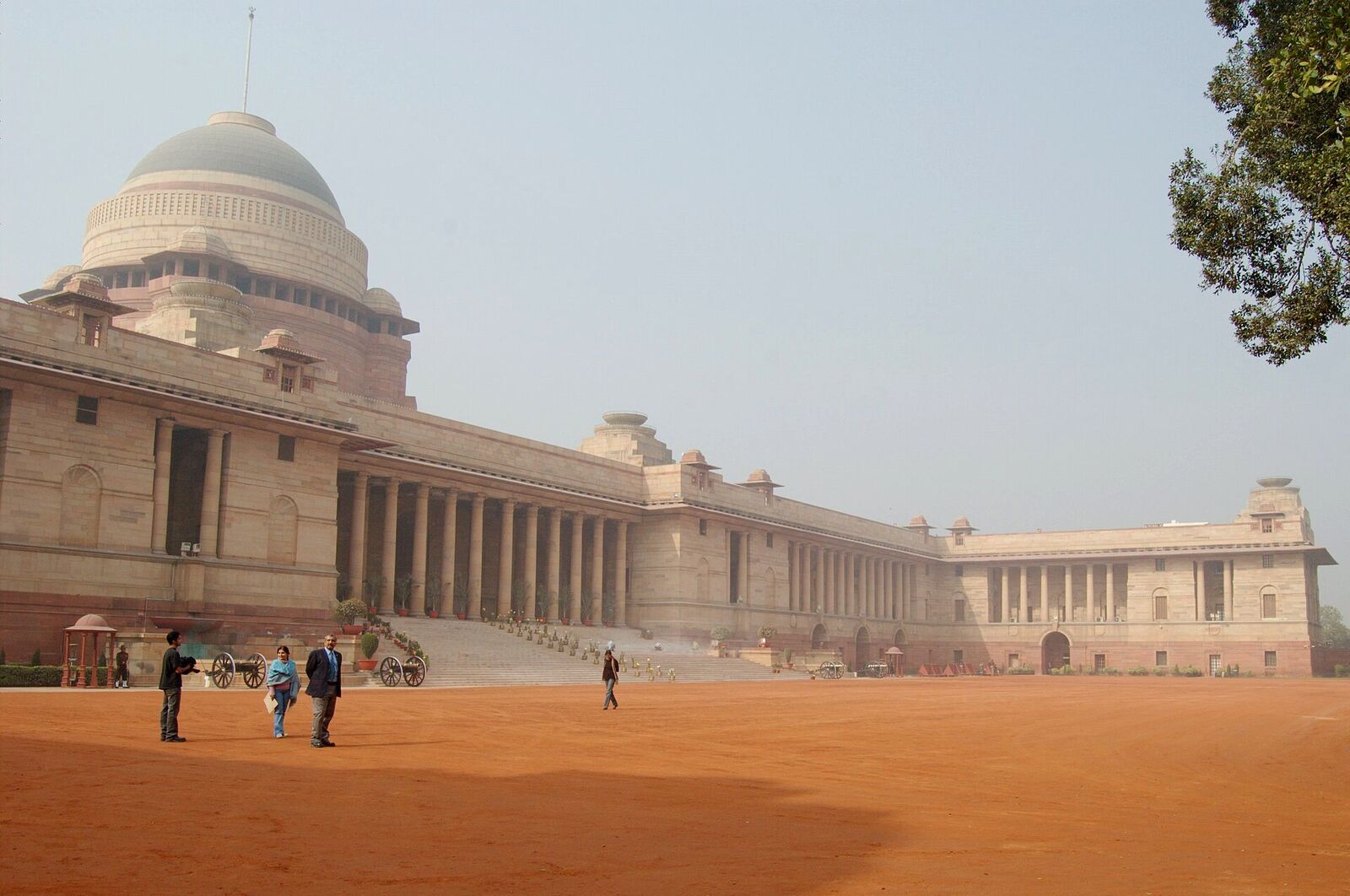
Leaders who must make tough decisions about keeping people safe face this every day. Every choice may have a cost. Weber didn't make these choices easy, but he helped people see clearly how heavy they are.
The office machine
Weber said the most important modern organisation is bureaucracy: a big organisation run by offices. It has a ladder of jobs, each with clear duties. It follows written rules and keeps files. Officials are chosen by tests and paid salaries. And it's supposed to treat everyone the same, by the rules.
Weber said bureaucracy works like an excellent machine: fast, exact and steady. No big country, army or company could work without it.
India has one of the biggest bureaucracies in the world. Officers are chosen through exams and trained in academies. Work moves through files: an assistant looks at a matter, writes notes, and it goes up the ladder until the right officer decides. Years later, anyone can see who decided what, and why. This system runs elections, delivers food rations and keeps the railways going for over a billion people!
The cage
But Weber also worried. Bureaucracy can make people feel like tiny parts of a machine, trapped in what he called an iron cage of rules. He asked: how can we keep some freedom for each person?
Imagine a widow trying to get her pension. She needs five different certificates from five different offices, and each office needs papers from the others! A land case can go between offices for years. Nobody means to be cruel. Everyone follows the rules. But the rules can still lead to results nobody would choose.
When rules become the goal
Merton said officials are trained to follow rules very strictly. But sometimes they follow them so strictly that they forget why the rule exists. He called this goal displacement: following the rule becomes the goal itself. Imagine an official rejecting an urgent request because the form was filled in the wrong colour of ink! When officials get blamed for bending rules but not for bad results, they play it safe. That's how "red tape" grows.
Peter Blau found the other side. Good officials often quietly bend rules a little to get the job done, like asking a colleague for help instead of going through every level. The best officials know when bending a rule serves its real purpose.
Parts that can't hear each other
Luhmann said modern society is split into separate systems: money, politics, law, science, news, health and more. Each one sees the world through its own simple question. Money asks: paid or not paid? Law asks: legal or illegal? Science asks: true or false? Politics asks: does this win power? News asks: is this new and exciting?
He said each system only listens to its own kind of message. Law builds on past laws. Science builds on past research. It's like each one speaks its own language.
Imagine a river being polluted by a mine. A scientist proves the river is dirty. But the business world only hears "cost". The law only acts if someone files a case. Politicians ask, "Will this win or lose votes?" The news only cares if something dramatic happens. Hospitals only notice when sick people arrive. Each hears the alarm in its own language, and nobody sees the whole picture. And there's no single boss in charge of all of them!
No part can see the whole picture, and no single boss can make all the parts work together.
Try getting the forest department, police, health department, a company, a court and village councils to work together on one problem. Each speaks its own language and thinks it's someone else's job! Luhmann's idea helps explain why sensible organisations can add up to a muddle, and why big problems like climate change are so hard to solve.
The uniform and the file
The forest guard walks through the crowd because people believe he has the right to be in charge. Behind him stands a huge office system that is powerful but sometimes clumsy. And beyond that is a society split into parts that can't fully hear each other.
But files don't just record decisions. They record people: names, birthdays, fingerprints, faces. A French thinker who studied prisons, hospitals and schools said this watching is the most powerful kind of modern power. He comes next.