Part Four · Power
Chapter 13
How Do Strangers Get Along?
Every day, millions of people who have never met manage to share roads, ponds and offices without fighting. How?
Featuring Parsons · Homans · Blau · Olson
Assisted and Curated by Claude, Referenced and Collated by me
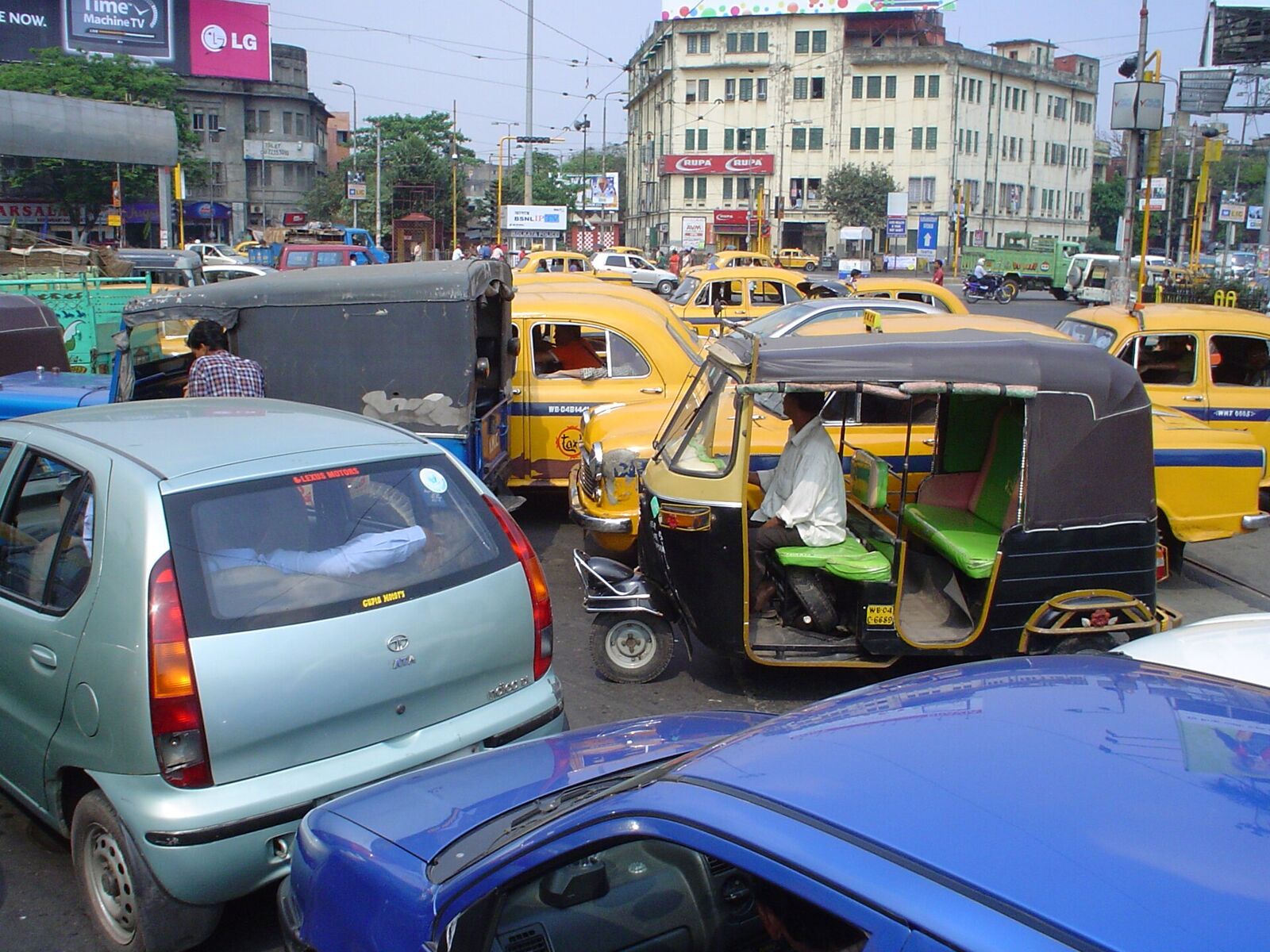
The crossing with no traffic light
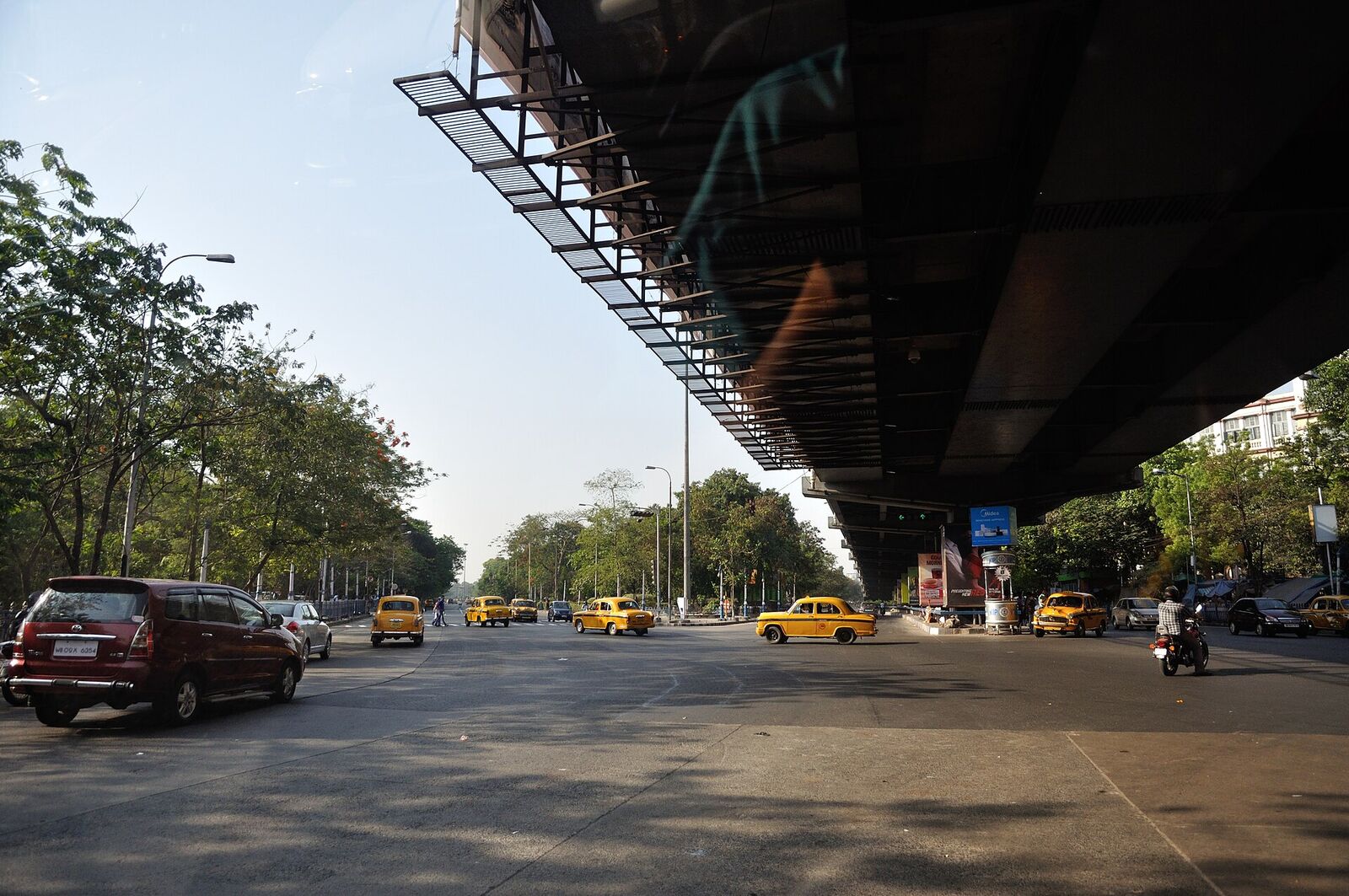
Picture a busy crossing in an Indian town where the traffic light is broken. Buses, trucks, autos, bikes, carts, cows and people walking all come from four sides. There's no policeman. You'd expect a giant mess! But mostly, everyone gets through. Drivers catch each other's eye, honk in a way everyone understands, and take turns. Accidents do happen, but it's amazing that thousands of strangers, all in a hurry, mostly don't crash.
Why? Each driver wants to go first. Something stops them. Is it fear? A bit. Is it thinking "if I let him go now, someone will let me go later"? Maybe. Is it an unwritten "code of the road" that everyone in town knows? Almost certainly. This little crossing shows one of the oldest puzzles of all: how do people who each want their own way manage to cooperate?
A world without rules
Long ago, in 1651, an English thinker called Thomas Hobbes imagined life with no government at all. Everyone would grab what they wanted and fight anyone in their way. There would be no farms, no shops, no books. Life would be, he said, "nasty, brutish, and short". His answer was a very strong ruler whom everyone obeys, out of fear.
Three hundred years later, an American thinker gave a different answer.
Parsons said fear alone can't keep a society together, because you can't force everyone every minute. And selfishness alone leads to cheating and fighting. So something else must be going on.
His answer: we share values, ideas about what is right and good, which we learn as we grow up until they feel like our own. A driver doesn't just calculate. He feels it's wrong to cut in front of a bus full of passengers, or rude to honk at an old man crossing the road. These feelings let us cooperate without being forced.
Society is like a body
Parsons said every society, like a body, must do four jobs to stay alive. It must get resources (the economy). It must set goals (government). It must keep its parts working together (laws and courts). And it must teach values to each new generation (families, schools, religion).
Think of a district. It needs money and farms, a plan and officials to carry it out, courts to settle quarrels, and schools and festivals to teach children. If any one of these breaks, the district is in trouble. Parsons's idea helps us find which part broke.
Fair rules and being sick
Parsons asked: do we treat people by fair rules that apply to everyone, or by who they are? A fair job interview picks the best person. An unfair one picks the boss's nephew. Parsons would say this unfairness is old habits sneaking into places meant to be fair.
He also noticed that being sick is a kind of role. When you're ill, you're allowed to miss school. But you're expected to try to get better and to see a doctor. That's why you need a doctor's note!
Fear and selfishness alone can't hold a society together. Something else must be at work.
Why people turned against him
In the 1960s, people marched for equal rights and against war. Parsons's picture of a calm, agreeing society seemed to ignore unfairness and power. Critics asked: whose values? Who decided? They had a point. But Parsons's question was still a good one.
Give and take
Homans said people cooperate through exchange: give and take. We swap not only things and money but also help, praise, friendship and advice. We repeat what gets rewarded. He described a young clerk who often asked an older colleague for help. The older man gave his time; the young one gave thanks and respect. If the young one asked too often or never said thanks, the friendship went sour.
Homans also said we expect rewards that are fair for what we put in. If your friend gets a bigger prize for the same work, you feel angry, even if your prize is nice!
Many Indian families keep a notebook of wedding gifts: who gave what. When it's their turn, they give back, often a little more. Forgetting to give back is noticed and remembered! A thinker named Marcel Mauss showed that gifts are never really free. They create a promise to give back, and that keeps people connected.
When give-and-take becomes power
Blau showed how give-and-take can turn into power. If I need something from you, can't get it anywhere else, and have nothing you want back, then all I can give you is obedience.
Think of a village moneylender. A poor farmer needs money for seeds or a wedding, and the bank won't lend to him. The moneylender lends at a high price. The farmer can't pay it back in money, so he pays by selling his crop cheaply, working the moneylender's fields, and voting how he's told. It started as a deal. It ended as one person being in charge of the other.
In many villages, families who were barbers, potters or washermen served big landowners in return for grain. It looked like fair swapping, but the landowners held all the land and the others had nowhere else to go. Blau's idea explains why things like banks, cooperatives and new jobs can change who has power in a village faster than any speech about equality.
Give-and-take turns into bossing when one side has no other choice.
Why big groups get stuck
People used to think groups that want the same thing would naturally work together. Olson showed that this often isn't true.
Imagine a village pond full of mud and weeds. Everyone wants it clean. But cleaning takes many days of hard work, and once it's clean, everyone can use it, even those who didn't help. So each family thinks: "My bit won't matter much. If others clean it, I'll enjoy it anyway." If everyone thinks like that, the pond stays dirty! Olson called this the free rider problem, like riding a bus without paying. It gets worse the bigger the group is.
So big groups need either rules that make everyone help, or special rewards only for helpers. Small groups do better, because everyone can see who's slacking. That's why a few hundred factory owners can get together and win, while millions of shoppers, who'd each save a little, never organise at all.
This is why clubs and unions offer members extra treats like cheap loans or holidays. It's why getting everyone to take a vaccine or stop littering is so hard. And it's why armed groups use both rewards and threats to keep members, instead of relying only on their big ideas.
Ostrom's happier answer
For a long time people thought shared things, like grazing fields, forests and fishing lakes, would always be ruined because everyone takes too much. Elinor Ostrom, the first woman to win the Nobel prize in economics, proved this isn't always true. She found communities all over the world that had shared resources well for centuries. They had clear rules about who could use what, made the rules together, watched each other, and gave small punishments that grew bigger for people who kept breaking them.
India has great examples. In Himachal Pradesh, farmers have shared water through channels called kuhls for hundreds of years, led by a local water master. In the Kumaon hills of Uttarakhand, village forest councils have looked after their forests since the 1930s. So the village pond can be cleaned, if the village has a good way of organising!
The hidden order
Ordinary things like a crossing, an office, a wedding gift or a village pond are actually amazing. Cooperation doesn't just happen. It's built from shared values, fair swaps and good rules. When these break, the crossing jams and the pond fills with mud.
In big countries, cooperation is organised by offices and officials. That leads to a new question: why do people obey the people in charge? A thinker called Max Weber asked that best.