Part Four · Power
Chapter 17
How Countries Are Made
Countries didn't just appear. Many grew out of armies, wars and taxes, and slowly became governments that people accepted.
Featuring Tilly · Skocpol · Coser · Pareto
Assisted and Curated by Claude, Referenced and Collated by me
A quarter for protection
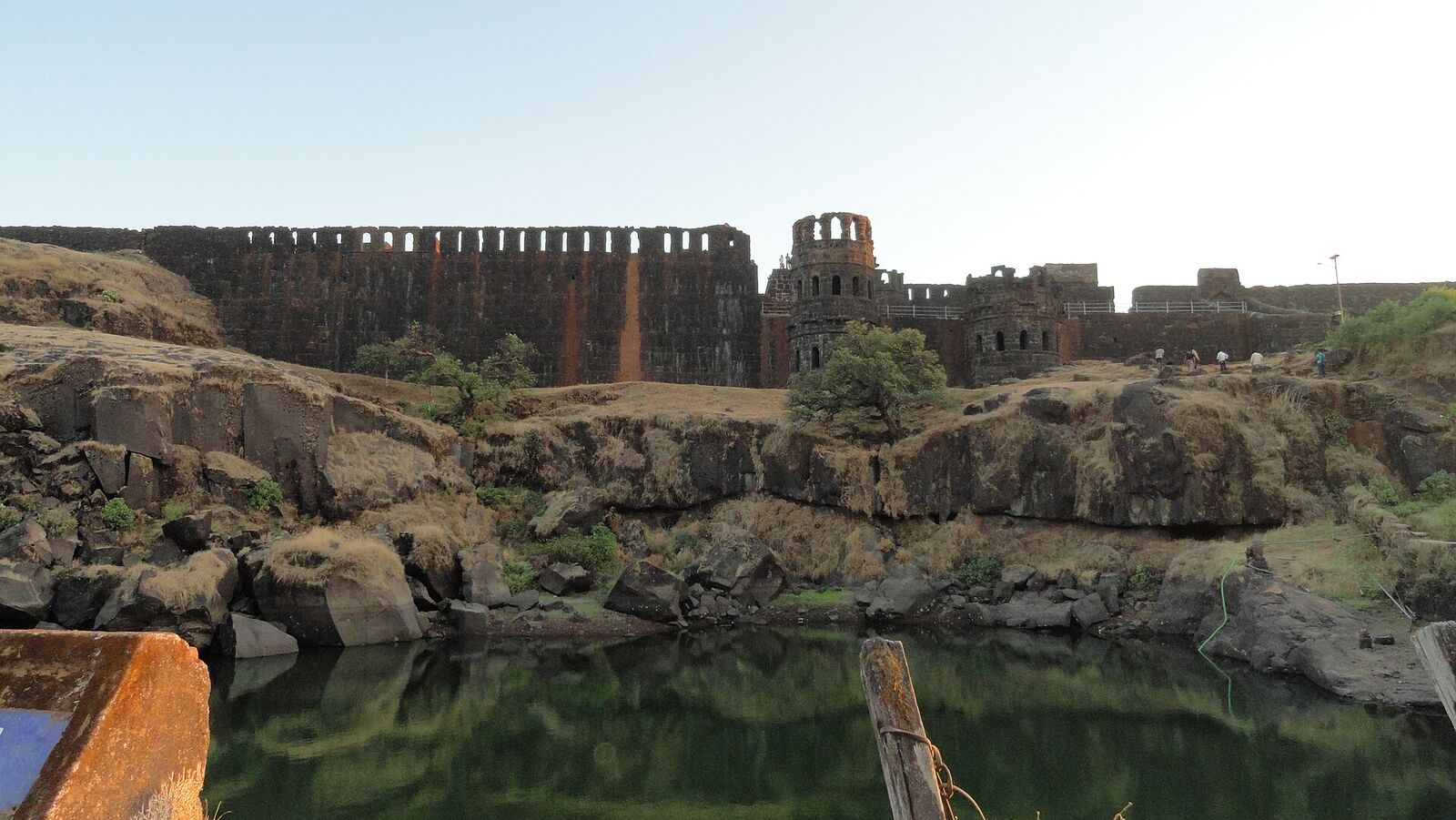
About three hundred years ago, as the Mughal empire grew weaker, Maratha armies spread across India. In many places they collected a payment called chauth: one quarter of the land's tax. What did people get for it? Protection, mostly from the Marathas themselves! Places that paid were left alone. Places that refused might be raided. Over time, Maratha officials in paying areas started settling quarrels and running things. Slowly, the line between an army demanding payment and a government collecting taxes disappeared. Protection money became the tax system of an empire.
Something similar happened with a trading company. The English East India Company came to India to buy pepper, cloth and indigo. To protect its trade, it hired guards, then built forts and armies. To pay for the armies, it wanted to collect taxes. So it fought wars and took over land. In 1765 it won the right to collect taxes in Bengal, Bihar and Orissa. A company of traders had become a kind of government!
A famous thinker said these stories show how all countries began.
War made the state
Tilly asked why the world is divided into countries, instead of empires or city-states. His famous answer: war made the state, and the state made war.
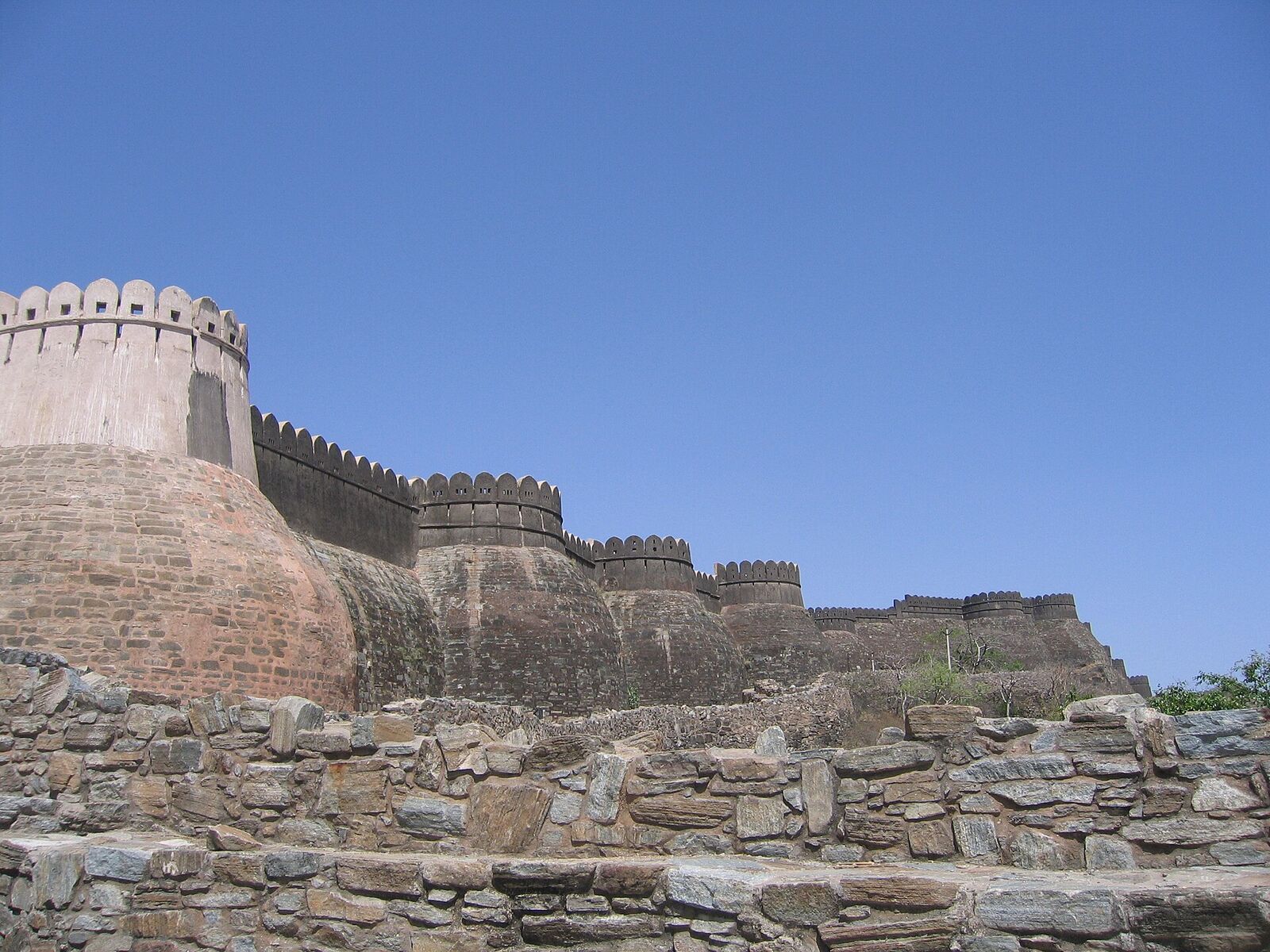
Long ago in Europe, power was split among many kings, lords and cities. To survive, rulers had to fight. To fight, they needed soldiers and money. To get money, they needed tax collectors, courts and record keepers. And to get people to pay, they had to make deals: giving them rights, a say in assemblies, protection and later services. Little by little, the modern state was built, mostly without anyone planning it!
Tilly saw three paths. Poor farming places like Russia used force to take resources. Rich trading cities like Venice borrowed from merchants. And places like England and France did both, and became the model for countries everywhere.
Protection for a price
Tilly made a cheeky comparison. He said early governments were a bit like a gang selling "protection": they offered to keep you safe from dangers, sometimes dangers they had caused themselves, in exchange for money. At first, the difference between a real government and a gang was mostly about size, success and slowly earning people's trust.
The Maratha chauth fits this idea. So does the East India Company. And in some forest regions of India today, armed rebel groups have demanded money from builders and traders, promising not to attack them. Seen through Tilly's eyes, this is a contest between rival "protection" systems. In the end, the government wins not only with force but by doing what states have always done: making fair deals and building roads, schools, hospitals and courts, so that people accept its taxes as fair.
Robbers, pirates, police and armies all sit on the same long line.
Countries drawn from outside
Tilly noticed that many newer countries in Asia and Africa had borders drawn by colonial rulers. Since other countries recognised them, their rulers didn't always need to make deals with their own people. Sometimes their armies turned against their own citizens instead.
India is an interesting case. In 1947 it brought together more than five hundred princely states, mostly by agreement but some, like Hyderabad in 1948, with the army. It has faced many conflicts. But unlike many new countries, it built a lasting democracy with regular elections, and the army has always stayed under elected leaders. Why? Maybe because the long freedom struggle taught leaders to work with ordinary people before independence.
Why revolutions happen
Skocpol studied the three biggest revolutions in history: France in 1789, Russia in 1917 and China, which took from 1911 to 1949. A real revolution changes both who rules and how society is organised. Riots and rebellions are common, but revolutions like these are very rare. Why did they happen?
Many people thought revolutions happen when people get angry enough, or when clever leaders inspire them. Skocpol disagreed. She said revolutions aren't really made; they come. In all three cases, the revolutionaries were a small group, often surprised, and sometimes living abroad when it started!
First, the old government had to break down. Each one faced pressure from stronger rival countries and wars, and ran out of money. It needed to change, but rich landowners blocked the changes. So the government got stuck and couldn't even keep order.
Second, villagers had to be able to rise up together. In France and Russia, villages had their own meetings and traditions of working together, so when the government collapsed, they took over land. In China it took much longer, so the Communist Party slowly organised villagers in faraway areas over twenty years.
Skocpol found a surprise: after each revolution, the new government ended up stronger and bigger than the old one!
Revolutions come when a stuck government meets villagers ready to rise up.
Governments have minds of their own
Skocpol said a government isn't just a tool of the rich. It has its own interests and abilities, shaped by rivals and resources. To understand a society, you must understand its government too.
Her idea helps explain why India's many brave uprisings, like the Santhal rebellion of 1855, Birsa Munda's rising in 1899, the Telangana struggle and Naxalbari, didn't become revolutions like France or Russia. The people had real reasons to be upset and strong leaders. But the government never broke down; it could still bring forces wherever trouble happened. Critics said Skocpol ignored ideas and choices, and Iran's 1979 revolution made her change her theory. But she showed why anger alone rarely makes a revolution.
Lions and foxes
Vilfredo Pareto, an Italian thinker, said every society is ruled by a small group at the top. He said there are two kinds of rulers. Lions rule by strength and loyalty, and are willing to fight. Foxes rule by cleverness, deals and persuasion. Over time, clever foxes get comfortable and soft, and tough lions from below push them out. Then the lions slowly turn into foxes, and it all repeats! He said history is "a graveyard of rulers".
The idea is too simple, and Pareto later admired Mussolini, a dictator. But the pattern does show up. Organisations started by tough pioneers often end up run by careful managers, until a crisis shows their weakness.
The good side of disagreement
Coser said conflict isn't always bad. It's one way people relate to each other.
He said when a group faces an outside enemy, it pulls together. During the wars of 1962 and 1971, Indians from all regions and backgrounds came together, giving gold and blood to help. Conflict also helps groups know who they are.
He said disagreements inside a group can be healthy if they're about goals, not the group's deepest values, and if people can say them openly. Groups need "safety valves", ways to let out frustration safely, like letting steam out of a pressure cooker. Groups that ban all disagreement store up anger until it explodes.
His best idea was about crisscrossing disagreements. If people disagree on one thing but agree on another, society stays stitched together. A Hindu farmer and a Muslim farmer may share a complaint about crop prices. A Tamil Hindu and a Tamil Christian share a language. A Dalit worker and a worker from another caste may share a union. Because everyone belongs to many overlapping groups, no single split divides everyone into two enemy camps. The danger comes when all the differences line up together, so every quarrel is between the same two sides.
Crisscrossing disagreements stitch a society together; disagreements that all line up tear it apart.
The long view
These thinkers show that countries grew from armies and wars, and became accepted through fair deals with their people. Revolutions are rare. Rulers rise and fall. And disagreement, handled well, can make a society stronger.
But most change isn't made by armies. It's made by ordinary people organising, marching, arguing and voting. That's the next chapter.