Part One · The Glue
Chapter 1
Two Ways to Stick Together
Some groups stick together because everyone is the same. Others stick together because everyone is different and needs each other.
Featuring Ibn Khaldun · Durkheim · Tönnies · Spencer
Assisted and Curated by Claude, Referenced and Collated by me
Think about two teams that need each other completely. Notice how differently they work.
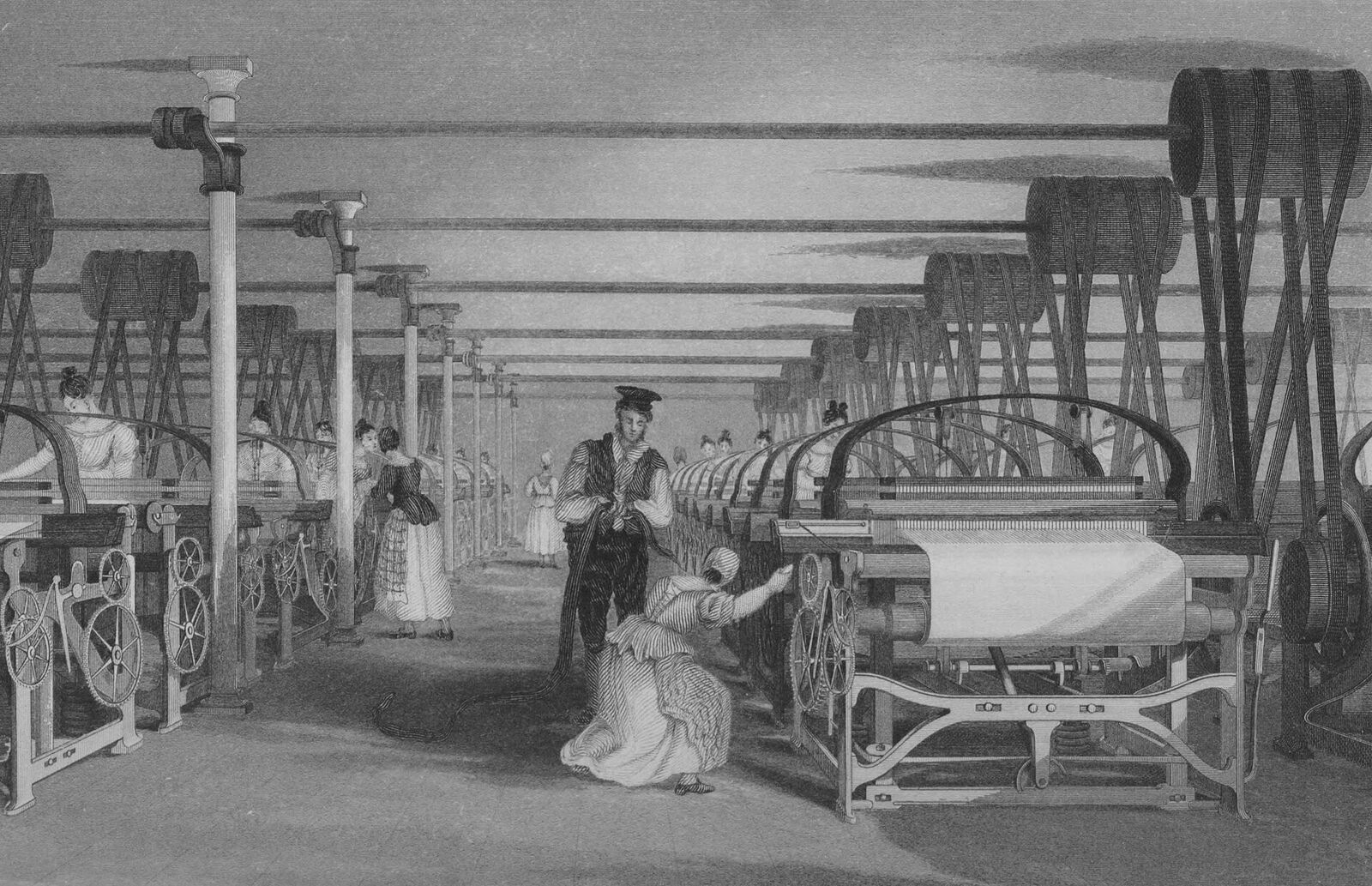
The first team is a group of twelve hunters in a forest. They grew up in the same village. They speak the same language, eat the same food and sing the same songs. Any one of them can do any job: carry, cook, keep watch. If one falls, the others carry him. They don't even need to talk much. A look is enough. They feel like one big person.
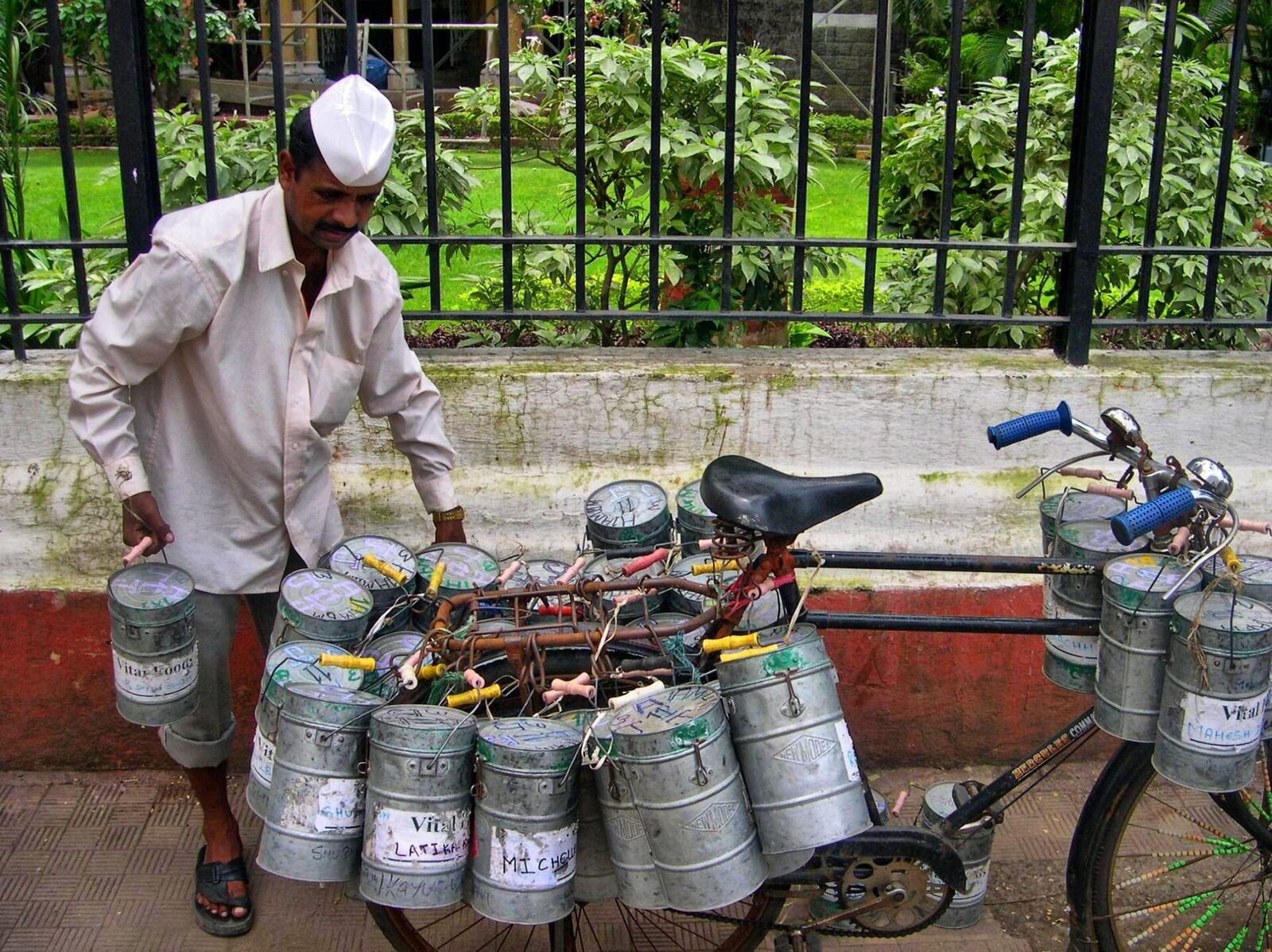
The second team is the dabbawalas of Mumbai. About five thousand of them carry lunch boxes every day from people's homes to their offices. They ride bicycles, sort boxes by coloured marks on the lids, put them on trains, take them off, and deliver each box to the right desk before lunch. Then they bring the empty boxes back! That's about two hundred thousand boxes a day, and they hardly ever make a mistake. But no dabbawala knows the whole chain. The cook at home doesn't know the man at the station. Each person does one small job, and it only works because everyone does their part.
Both teams stick together. But in opposite ways. The hunters stick together because they are the same. The dabbawalas stick together because they are different and need each other. Thinkers have been studying these two kinds of togetherness for hundreds of years.
The desert and the city
Ibn Khaldun noticed that history books were full of silly stories, like armies of 600,000 men crossing a desert with almost no water. He said we need a science to check what can really happen when people live together. He started with a simple fact: nobody can survive alone. One person can't grow all their food, cook it and also fight off wild animals. People have to work together. And because people also want different things, they need rules and leaders to keep the peace.
He had a special word for the glue that holds a group together: asabiyyah (say it: a-sa-BEE-ya). It means team spirit, a feeling of "we are one". He saw that this glue is strongest among people who live hard lives, like desert tribes and mountain people. They depend on each other to survive, so they are tough and loyal. City people are different. They have walls, paid soldiers and judges to protect them. They may be cleverer and know more, but their team spirit is weaker because they don't need each other so much.
Grandfather, father, grandson
Here is his most famous idea. A tough desert tribe with strong team spirit conquers a city and starts a royal family. The first king is still tough: he eats with his soldiers and shares their dangers. His son grows up in a palace and gets used to comfort. The grandson has never seen the desert at all. By the fourth generation, the family is weak and spends too much money. Then a new tough group arrives, and the story starts again. He guessed this takes about 120 years.
Many families around the world tell the same story! In India, people say: the grandfather came to the city with just a water pot and a blanket, the son built a big business, and the grandson sold it. The grandson wasn't less clever. He just didn't have the same need to stick with his family and work together.
What gets weaker is not cleverness. It is the feeling of needing each other.
Ibn Khaldun also noticed something about taxes. When a new king starts, taxes are low, so people work hard and the king gets lots of money. Later, when the king raises taxes too much, people stop trying, and the king actually gets less money. Hundreds of years later, an American economist drew the same idea as a curve.
People on the edges
Ibn Khaldun's idea helps us understand why forest and hill people have often fought back against powerful rulers. Their villages were tied together by family, shared gods and shared hardship. In 1855, the Santhal people, led by the brothers Sidhu and Kanhu Murmu, rose up against moneylenders and the East India Company. In 1910 in Bastar, villages called each other to rise up by passing a bundle of mango twigs and chillies from village to village. That was asabiyyah you could see.
But his idea also shows something else. Fighting such groups often makes them stronger, because shared suffering makes the glue tighter. What slowly loosens the glue is roads, schools, jobs and money. Imagine a young man from a forest village who gets a job in town, buys a motorbike and marries a girl from the town. He hasn't betrayed anyone. He just has more than one group now.
Village and city
Tönnies said there are two kinds of togetherness. Community is like a village or a family. You belong because you were born there, and people care about all of you. Society is like a city or a shop or an office. You meet people for a reason, like buying milk or doing a job, and they only know one small part of you. He said: in a community, people stay together even when they disagree; in a society, people stay apart even when they work together.
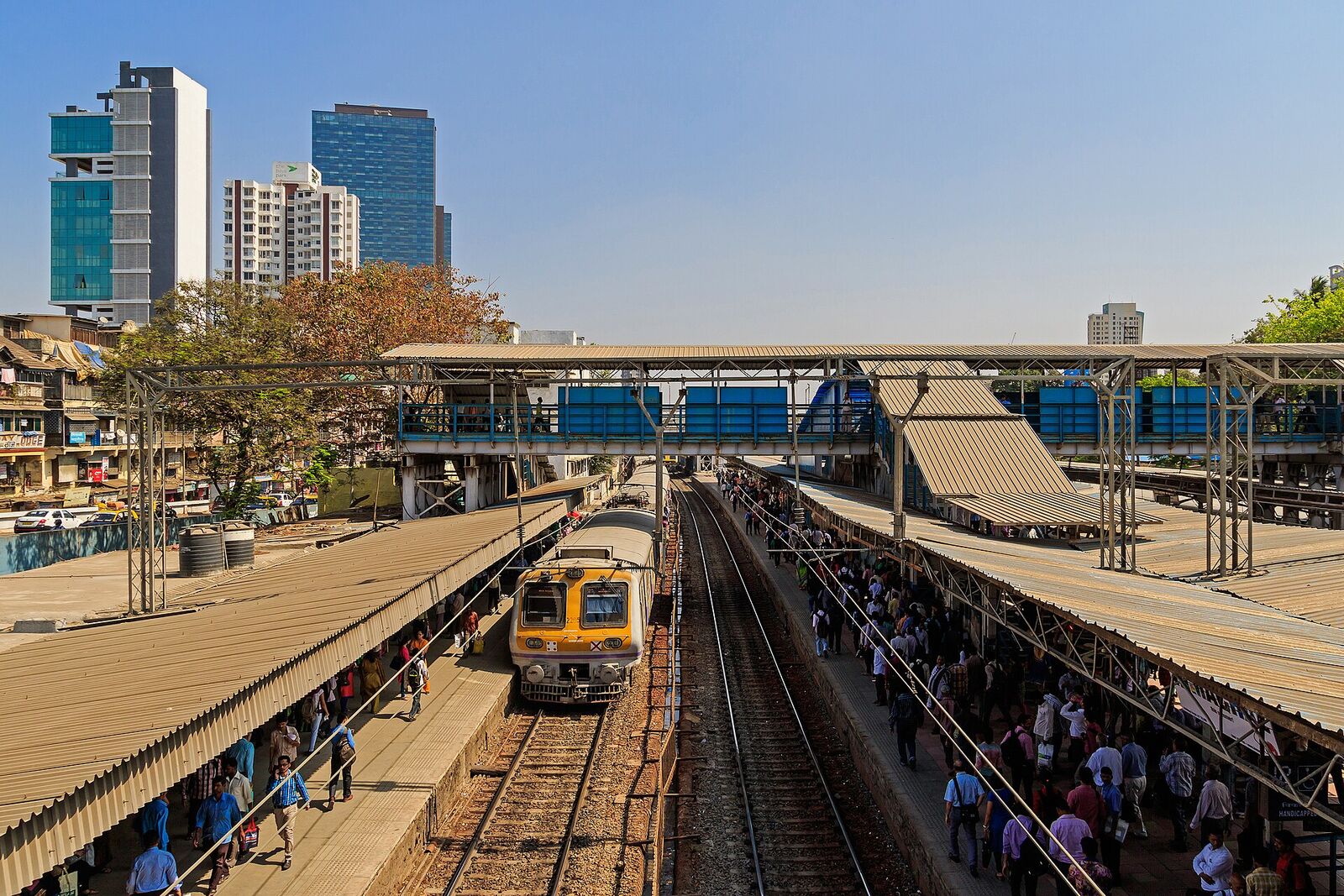
You can see both in India today. Imagine a man who grew up in a village and now lives in a tall apartment in a big city. In the village, when his father was sick, neighbours came to help without being asked. But those same neighbours also knew everyone's business and gossiped about it! In the city, when his wife is sick, he calls an ambulance on his phone. The neighbours don't even find out for a week. Nobody bothers him, but nobody helps him either. He is freer than his father, but lonelier.
But be careful: villages were not always lovely. In many villages, some families were not allowed to use the common well. Dr B. R. Ambedkar said the Indian village was often a place of narrow minds and unfairness. For someone treated badly because of their caste, a big city where nobody knows your caste can feel like freedom. A community is only warm for the people it treats well.
Two kinds of glue
Durkheim asked the dabbawala question. Modern people do very different jobs and believe very different things. So what holds millions of them together? Many people in his time thought society was falling apart. Durkheim said no: the glue had just changed. He gave the two kinds of glue names.
The first kind he called mechanical solidarity. That's glue from being the same. In a small village where everyone grows the same crops, keeps the same festivals and obeys the same elders, people are held together like the identical bricks of a wall. There isn't much room to be different.
The second kind he called organic solidarity. That's glue from being different, like the parts of your body. Your heart, lungs and stomach all do different jobs, but they need each other. The farmer needs the truck driver, the truck driver needs the mechanic, the mechanic needs the factory, and so on. In this kind of society, you can believe what you like and still be connected to everyone else.
What punishments tell us
How can you measure something invisible like glue? Durkheim had a clever idea: look at how people react when someone breaks a rule.
In a society of sameness, breaking a rule makes everyone very angry, because it feels like an attack on what everyone believes. The punishment is a way of shouting together: "This is what we believe!" The angrier people get, the stronger their shared belief.
In a society of differences, most rules are about fixing things. If a shop doesn't deliver what you paid for, nobody marches angrily down the street. A lawyer sends a letter, and the shop pays you back. Durkheim noticed that as societies get more complicated, more and more of their laws are about fixing, not punishing.
How angry people get at a crime shows how strongly they share a belief.
Sharing work makes friends
An old thinker named Adam Smith said sharing out jobs makes work faster: ten people each doing one step can make thousands of pins a day. Durkheim said something more surprising: sharing out jobs also makes people care about each other. Think of a team of doctors and nurses in an operation. Each one knows something the others don't. The patient is safe only if they all trust each other. They are different, and that's exactly what ties them together.
But Durkheim also saw problems. Sometimes jobs change faster than the rules, and nobody knows what's fair. And sometimes people are given jobs because of the family they were born into, not because of what they are good at. Durkheim said that when a child is told "you must be a sweeper" or "you must be a priest" just because of birth, the job feels like a prison, not a gift to society. He actually named India's caste system as an example.
This is a big idea: for people to truly feel connected in a modern society, everyone needs a fair chance to do the work they're good at. Unfairness doesn't just hurt people; it breaks the glue.
Society is like a body
Spencer said everything grows from simple to complicated. A tiny egg grows into a body with a heart, lungs and brain. A small group of people who all do the same things grows into a big country with thousands of different jobs. He said society is like a living body: as it grows, its parts become more different and more dependent on each other.
You can see this in India. A hundred years ago, in many villages, one powerful family did everything: they owned the land, lent money, settled fights, ran the temple and talked to the government. Today these jobs are split up between a bank, a court, a temple trust, a panchayat, a police station and a government office. When one strong person still controls all of these at once, people who disagree with him can get into trouble everywhere.
But Spencer had a harsh idea too. He thought the government should not help poor people, run schools or clean up cities, because that would slow down "natural" progress. Rich factory owners loved this idea, and rulers used it to say some peoples were "less advanced" than others. Later thinkers kept Spencer's good idea about parts and wholes, but threw away his harsh one.
Living in both worlds
Here's the most important lesson: the two kinds of togetherness are not just "old" and "new". We all live in both, every day.
Imagine a young man from a forest village who joins the police. In his village, everyone was the same as him. At the police academy, everyone wears the same uniform, has the same haircut, sings the same songs and goes through the same hard training. The police do this on purpose, to make a new "tribe". His batchmates become like brothers for life. Then he goes to work in a town, where he needs a clerk, a doctor, a judge and an electrician, none of whom are like him. Every day he moves between different kinds of togetherness.
Or think of Mumbai during Ganesh Chaturthi. Most days, millions of strangers just do their jobs and catch their trains. But during the festival, neighbours who ignored each other all year build pandals together, cook together, dance together and walk in big processions. For a few days, the huge city feels like one village. Durkheim said every society needs moments like this, when people gather and feel like one.
Why are those moments so powerful? That's the next chapter. Because the strongest glue of all isn't needing each other, or even family. It's the feeling that something is sacred.