Start here
Why Is Normal So Strange?
A village market looks simple. But it is full of hidden rules that nobody wrote down. This is where the story of society begins.
Assisted and Curated by Claude, Referenced and Collated by me
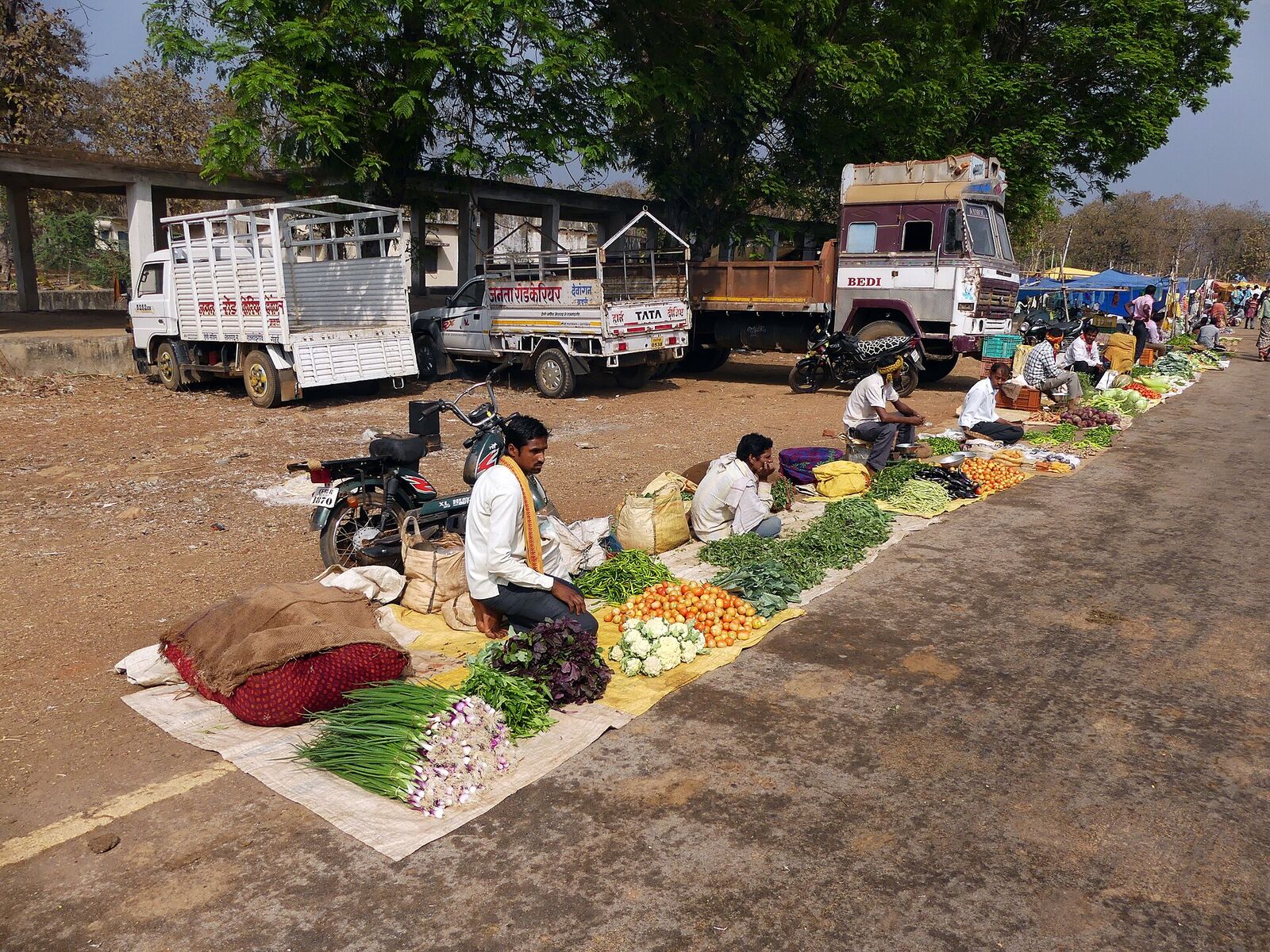
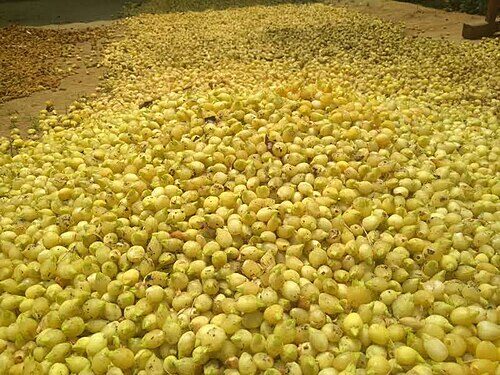
Let's start at a market. Imagine a forest in the middle of India. Under big mahua and tamarind trees, a market opens once a week, early in the morning. Women walk from villages far away with baskets on their heads. They bring tamarind, seeds, brooms, rice and even a rooster! Traders come from town on motorbikes. They sell pots, bangles, biscuits, batteries, dried fish and phone covers. One man fixes watches. By ten o'clock, about two thousand people are there. It smells of smoke, frying onions and cows.
Now here is a puzzle. The market happens every Thursday. But who made that rule? There is no sign. There is no office. There is no law. Everyone comes on Thursday because everyone else comes on Thursday. If some villages came on Friday instead, the market would fall apart. So a rule that nobody wrote down is stronger than many written rules. Isn't that strange?
Watch a woman selling tamarind. A trader tastes some and says a price. She says a different price. They meet in the middle. Who decided what tamarind should cost? Nobody knows! But ask her if the price is fair, and she knows straight away. She can feel it. That feeling of "fair" comes from memories, from talking with neighbours, from old habits. And far away there are people she never sees: a big merchant in a city, a company that buys tamarind seeds, the price of diesel for trucks. They all touch her small handful of tamarind.
Look at where people sit. Village women sit in one place. Town traders sit in another. Nobody painted a line, but everyone knows where it is. A young man walks by with coloured hair and a new phone, showing off a little. His father, in a dhoti, watches him, feeling both proud and a bit sad. Two families talk quietly. They are planning a wedding, and they follow rules that everyone knows without saying them. A forest guard walks through the crowd. He is just one man, with no weapon. Yet people move out of his way. Why?
Learning to say "Wow, that's strange!"
Sociology starts when you stop saying "that's just normal" and start saying "wait, why?" Why is there a market at all? How do two thousand strangers stay so orderly that even a small child can find her way? Why do people move aside for the guard? Why does a fair price feel as real as the sun and the rain?
People at the market are not asking these questions. That is the point! The biggest rules of life work best when we can't see them. They feel like the weather: just there. Most things about us were given to us before we could choose: our language, what makes us feel shy or ashamed, the food we like, the gods we pray to. We think these things are "just me". Sociology helps us see that "me" was made together with lots of other people.
The biggest rules of life work best when we can't see them.
Think about your own day. You wake up at a time set by your school. You brush your teeth, which most people in history never did! You eat breakfast that your family thinks is "proper food". You wear clothes that show if you are a boy or a girl, young or old. If you wore something really odd, you would feel embarrassed, even though no law says you can't. You talk to your grandmother one way and your teacher another way, and nobody taught you how. All of this comes from other people. But it feels like it comes from you. Finding that hidden "other people" part is what this book is about.
Four ways to see one market
Here is a fun trick. Imagine walking through the market with four famous thinkers. Each one notices something different.
The first is Ibn Khaldun, who lived about 700 years ago in North Africa. He would see that the village people are tightly stuck together, like a strong rope, because they share families, hard work and gods. The town traders are clever but more loosely tied. He would say: in history, the tightly tied group often wins over the comfortable group, and then slowly becomes comfortable too.
The second is Karl Marx. He would not care much about the colours and music. He would ask: who owns the forest? Who owns the trucks? How much of the money ever comes back to the woman who climbed the tree? He would say the market looks fair, but it isn't really. The woman has to sell today because her family needs food today. The trader can wait. So he has more power.
The third is Émile Durkheim. He would love the unwritten rules and the way everyone gets angry at a cheater. He would see the market as a family of shared beliefs, not just a place for buying and selling. And he would worry: what happens when the young people move away to big cities where nobody knows these rules?
The fourth is Max Weber. He would watch the forest guard and ask: why do people obey him? Not because he is strong. They obey because they believe he has the right to give orders. Weber would also watch a trader writing every sale neatly in a book. He would say the whole world is slowly becoming like that: counting, measuring and calculating everything.
Which thinker is right? All of them! The market is about togetherness, about who has power, about shared rules, and about who is in charge, all at the same time. Learning sociology is like having four pairs of glasses and learning when to put on each one.
What this book does
Each chapter in this book asks one big question. What holds people together? Why are some people richer or more powerful than others? How do we become who we are? You will meet thinkers along the way and learn a little about their lives, because ideas come from real people with real problems. Marx lived in a poor, smoky city. Ambedkar was not allowed to touch the school water tap as a boy. Their lives shaped their ideas.
This book uses lots of everyday examples: villages, buses, ration shops, weddings, cricket grounds. If an idea can't be seen in a bus queue, it probably isn't very useful. And once you understand a good idea, you will never see the bus queue the same way again!
One more thing. For a long time, most of the famous thinkers people studied were men from Europe and America. Many brilliant people, like Ambedkar, Du Bois, Jane Addams and Harriet Martineau, were left out and only remembered later. Also, sociology can sometimes surprise you, because it shows that things we think are "natural" were actually made by people. But that is good news too: if people made something, people can change it. Understanding society is the first step to being free.
So let's begin with the oldest question of all: why do people stay together?