Part Six · The Shape of Change
Chapter 24
Many Roads to Modern
Does every country have to become modern in the same way, or can each find its own path?
Featuring Comte · Ward · Weber · Eisenstadt · Y. Singh
Assisted and Curated by Claude, Referenced and Collated by me
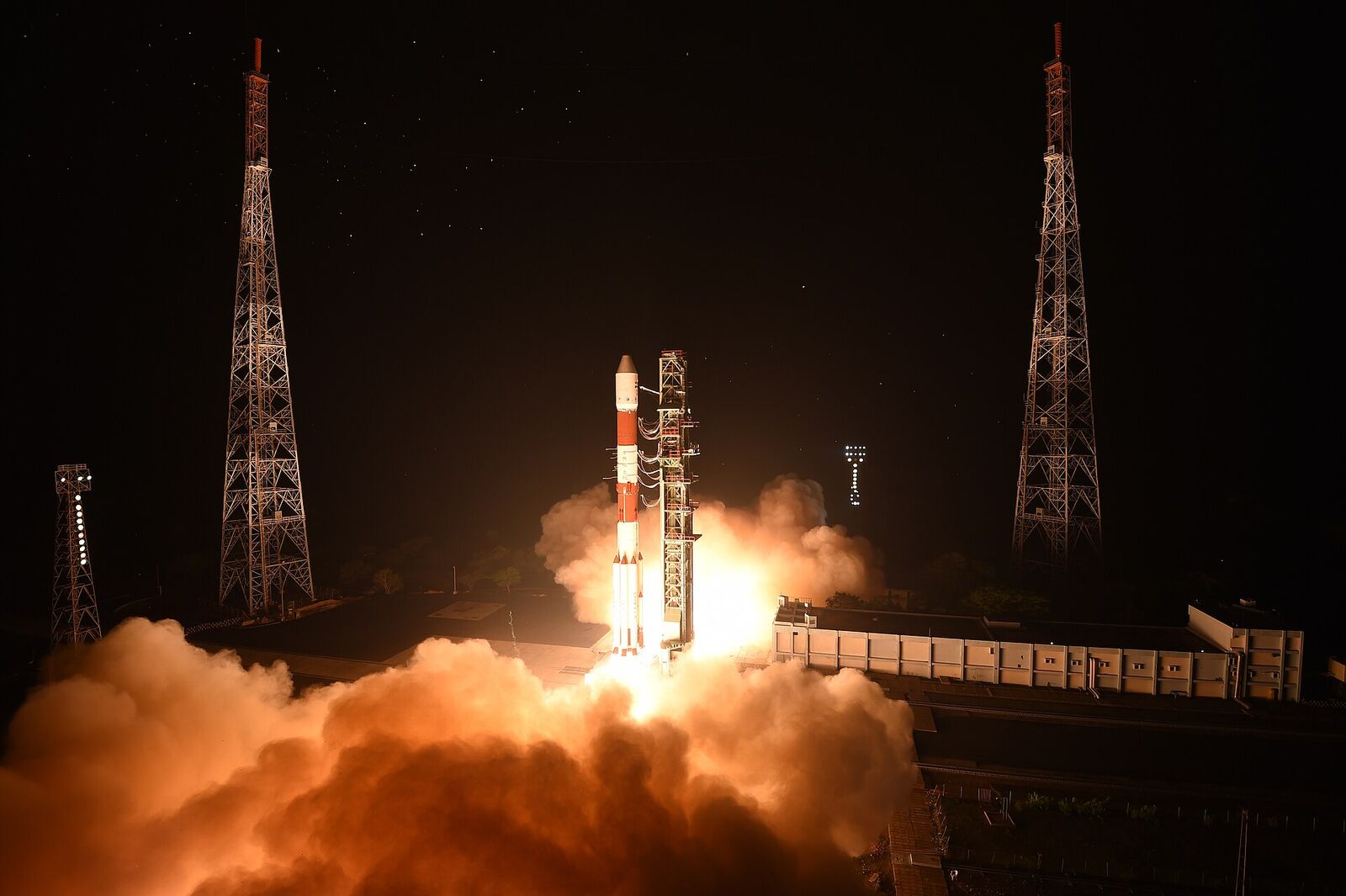
A prayer before the rocket
Before many big rocket launches, scientists from ISRO, India's space agency, visit the famous Tirupati temple. They offer a small model of the rocket and pray for success. Some people ask: how can scientists pray for a rocket? The scientists say the rocket works because of science and years of testing. The prayer is about hope and saying thank you. Then they go back to the launch centre at Sriharikota and run the countdown with careful science.
Auguste Comte, who invented the word "sociology", would have been puzzled. He thought people's thinking grows up in three steps. First, people explain things with gods. Next, with big invisible forces. Last, with science. In his plan, scientists should have left temples behind. But this scientist does both, and the rocket still flies!
So here's the big question: is there only one way to be modern, so that some countries are just "ahead" and others "behind"? Or are there many ways? The answer matters, because it shaped how rulers, planners and teachers treated whole countries.
One road for everyone?
Comte believed society follows laws, just like nature, and that if we study those laws we can predict and improve the future. His motto was "Order and Progress".
Many people agreed and drew a single road with Europe at the top. Later, an American economist called Walt Rostow described five steps every country would climb: from farming villages, to "take-off", to a world of shopping malls and cars. Poor countries, he thought, were just further back on the same road.
A society that thinks and plans
Ward said nature is very wasteful. A fish lays millions of eggs so that a few survive. But humans have minds that can plan. We don't wait to grow thicker fur. We build houses! We don't let rivers flood. We build dams! So why not plan society too, instead of leaving it to chance?
Ward believed the key was education for everyone. He thought clever minds are found equally among rich and poor, men and women, and people of every race. Only unfair chances held some back. He was an early champion of equal rights for women.
After 1947, India tried Ward's kind of planned progress. Jawaharlal Nehru and his team made five-year plans, built steel plants at Bhilai, Rourkela and Durgapur, built big dams like Bhakra Nangal (which Nehru called the "temples of modern India"), and started IITs and science labs. People still argue about what worked and what didn't. But the idea was Ward's: a country can choose its own path.
When the magic goes
Max Weber said the modern world runs more and more on counting, measuring and planning. Mystery slowly disappears. He called this the disenchantment of the world, which means the world losing its magic.
Weber made a funny point. A villager long ago knew more about his own tools than we know about our phones or trains! The difference is that we believe we could find out how anything works if we wanted to. Nothing feels magical anymore.
Weber said the cost is meaning. Science can tell us how to do things, but not what is worth doing or how to live. So each person has to choose their own values, like family, art, country, faith or love.
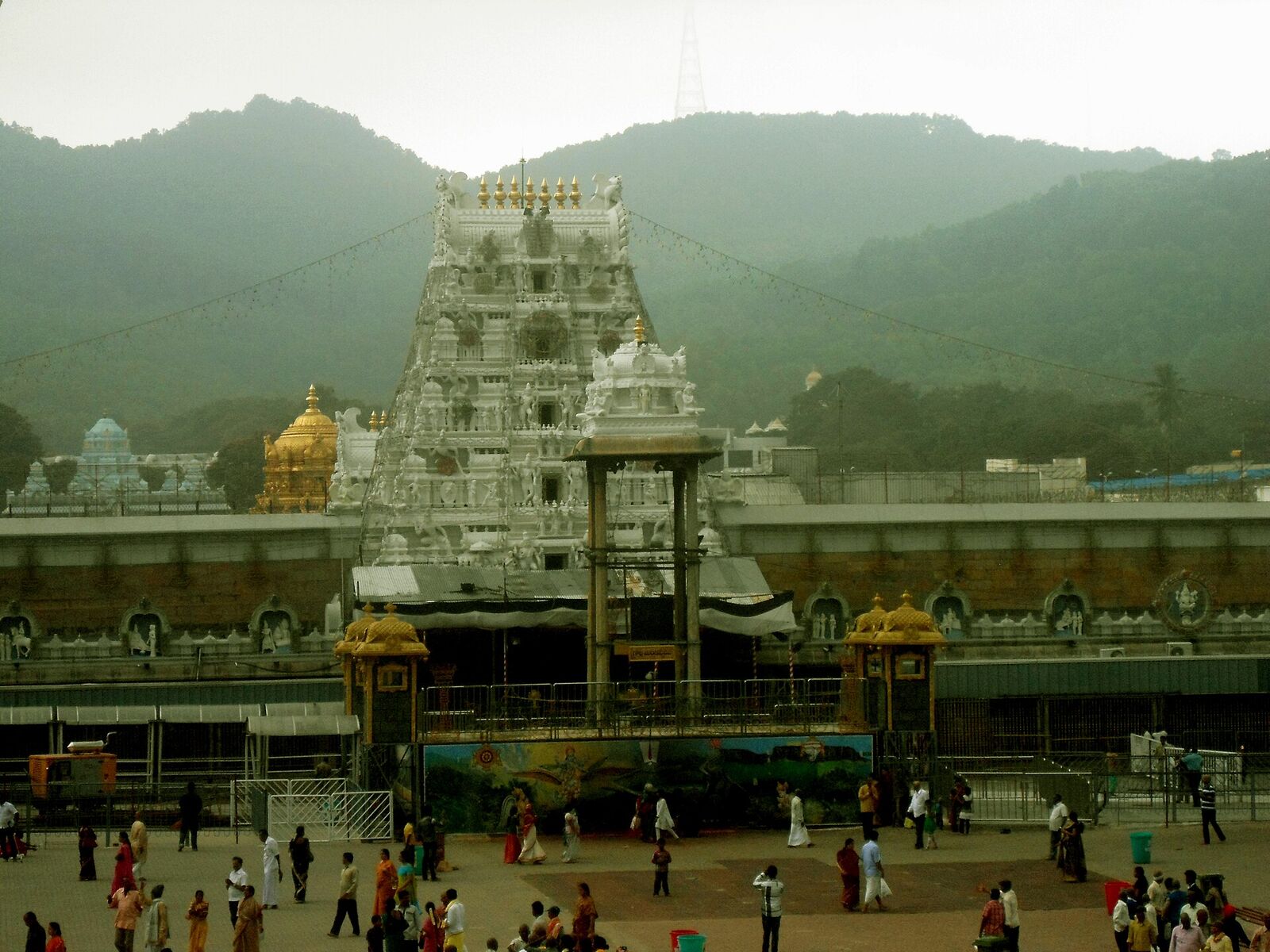
Maybe the ISRO scientist is doing just what Weber described: using science in one part of life and faith in another, and choosing his own meaning.
Many ways to be modern
The great thinking age
Eisenstadt was interested in a special time, about 2,500 years ago, when great new ideas appeared in many places at once: the Buddha and Mahavira in India, Confucius in China, philosophers in Greece and prophets in Israel. These ideas said there is something higher than kings, like truth, dharma or God. That meant even kings could be judged and criticised! Thinkers and saints could stand outside society and question it.
Each civilisation used these ideas differently. In India, the sannyasi who left ordinary life to seek freedom was respected even more than the king. The Buddha, Mahavira and the bhakti saints questioned the old order.
Many kinds of modern
Older thinkers believed being modern was one package from the West, and that everyone would end up the same. Eisenstadt said no! Every civilisation takes the parts of being modern, like science, factories, voting and the idea that people can shape their society, and mixes them in its own way.
Japan copied Western science and factories after 1868, but kept its own emperor and identity. It became modern without becoming Western. India in 1950 gave every adult the vote, in a country with many religions, castes and languages, where most people couldn't read. Experts thought it wouldn't last, but it did, in its own Indian way! Even America and Europe are modern in different ways: America is very religious, while much of Europe isn't.
Being modern isn't one package. Each civilisation builds its own version.
This idea means no country is simply "behind". Every country today is modern. The question is what kind of modern it is building.
Old and new together in India
Singh said change can grow from inside a tradition, like the bhakti movement, or come from outside, like ideas brought by Islam or the British. And it can change people's beliefs, or the way they actually live and organise themselves.
His big idea was that in India, modern things don't simply replace old things. They mix. Caste didn't disappear. Caste groups started running schools, banks and newspapers, and helping in elections. Big joint families didn't break up. They stretched! Brothers in different cities and countries still help each other, chatting on video calls and sharing money for a sister's wedding or a parent's operation.
For India, the question was never "old or modern?" It was always "how will the two mix?"
Choosing the road
Think again of the scientist at the temple. Comte would see a mix-up. Weber would see a modern man choosing his own meaning. Eisenstadt would see an Indian way of being modern, where a temple visit and a rocket launch sit happily side by side. Ward would see the rocket as the great result of planning and thinking together.
Having many roads doesn't mean every tradition is good. Some are unfair, and some modern things set people free. But it does mean the future isn't fixed. Every country gets to choose what kind of modern world it will build.
In the last fifty years, the world began to change faster than ever. Jobs became less steady and people less sure who they were. That "liquid" world comes next.