Part One · The Hunters
Chapter 5
The Wolf
A wolf pack is really a family. Meet the mother of Rome, the ancestor of every dog, and the 'big bad wolf'.
Assisted and Curated by Claude, Referenced and Collated by me

Scientific name: Canis lupus
For many years, people believed a wolf pack was run by a bossy 'alpha' wolf who fought his way to the top. A scientist named David Mech wrote this in a famous book.
But then Mech watched wild wolves in the Arctic for years, and he saw something different. A wild pack is a family: a mother, a father and their pups. The 'alphas' are just the parents! Mech wrote again to say the old idea was wrong. Good scientists change their minds when they learn something new.
How wolves live
A pack usually has four to eight wolves. The parents lead, and older brothers and sisters help babysit the pups, play with them and bring them food. When young wolves grow up, most leave to start their own families. One young wolf in Europe walked more than a thousand kilometres!


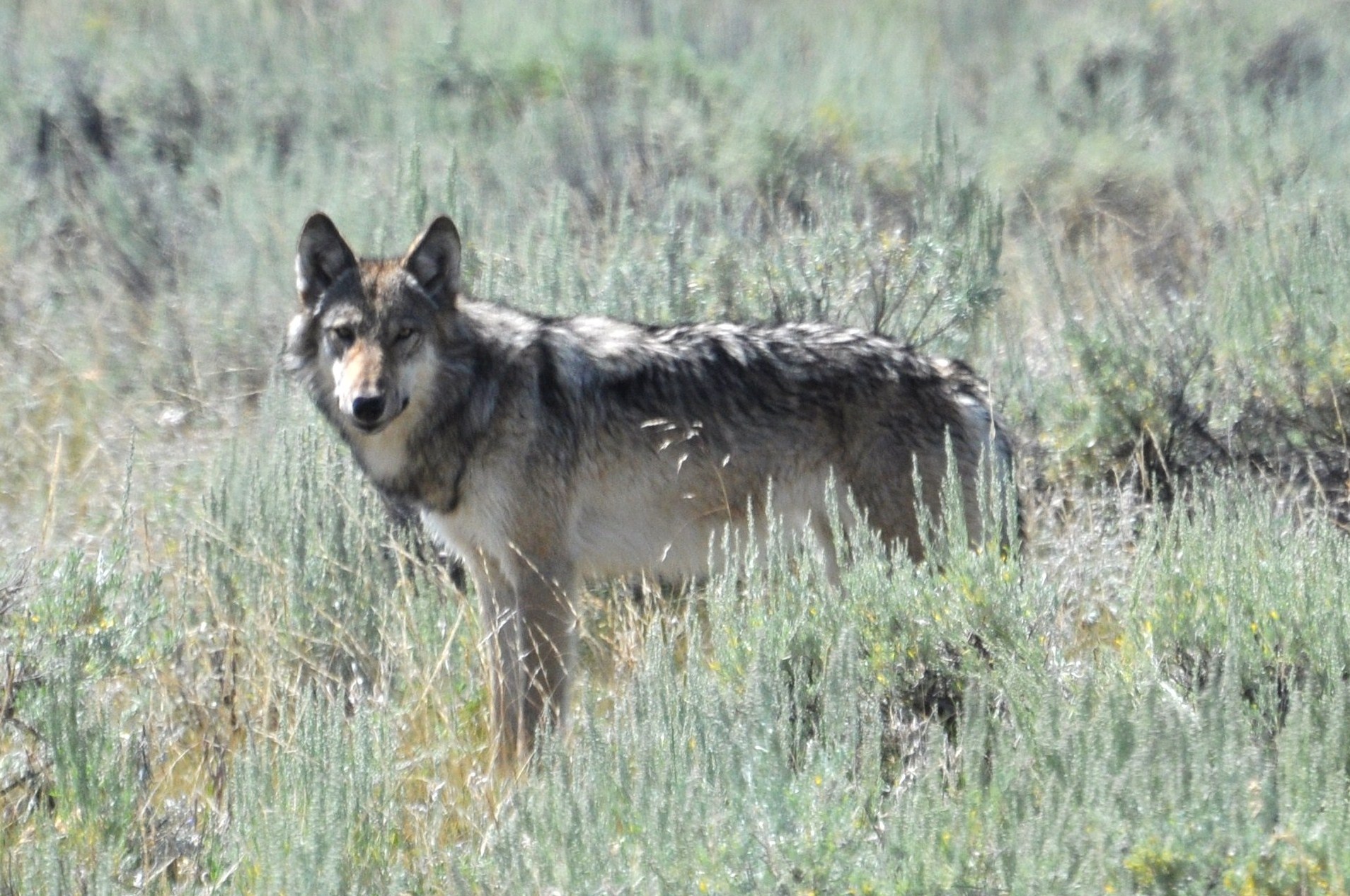
Wolves hunt as a team and often chase deer to find one that is weak or sick. A wolf's howl helps the family find each other. When several wolves howl together, each on a different note, a small pack sounds much bigger.


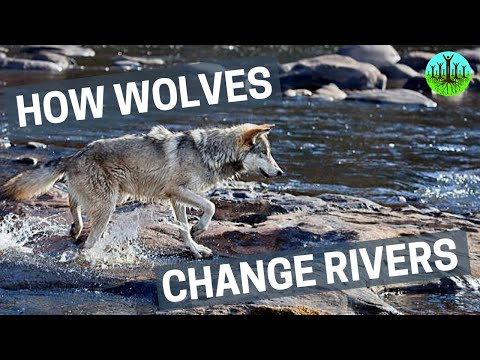
In 1995, wolves were brought back to Yellowstone National Park in America. Some scientists say that this helped trees, rivers, beavers and birds too, because the deer stopped eating every young tree. Predators can shape a whole landscape.


The wolf that became the dog
Every dog on Earth, big or small, comes from wolves. Long ago, more than fifteen thousand years back, some wolves were less afraid of people. They came near hunters' camps, and over many generations they became tame. That is how wolves became dogs, our oldest animal friends.

About fourteen thousand years ago, in Germany, a sick puppy was cared for by people and later buried with them. Jack London's White Fang tells the story of a wolf-dog who learns to live with people.


The mother and the monster
In the story of Rome, a mother wolf fed two baby twins, Romulus and Remus, who later founded the city. The Mongols said Genghis Khan's family came from a blue-grey wolf. Some Native American peoples saw the wolf as a teacher and brother.

But farmers whose sheep were eaten feared the wolf. In Norse stories, the giant wolf Fenrir fights the god Odin. In fairy tales, the big bad wolf chases Little Red Riding Hood. Because of these fears, people killed wolves in many countries until none were left there.

In the Mahabharata, strong Bhima is nicknamed 'wolf-tummy' because he eats so much! Watch Wolfwalkers (2020), about a girl who turns into a wolf when she sleeps.


The wolves of India
India has two kinds of wolves: the Himalayan wolf of the mountains and the Indian grey wolf of the plains. They belong to some of the oldest wolf families in the world. The Indian wolf is small, with short fur to keep cool.

It lives in dry grasslands, which people often think are 'empty land' and turn into farms. So it badly needs protection.


Rudyard Kipling's The Jungle Book is set in the Seoni hills of central India. In it, the boy Mowgli is raised by a family of wolves.


Many Indian children first met Mowgli's wolf family in the old Jungle Book cartoon, with its song 'Jungle jungle baat chali hai'.
What the wolf teaches
People have called the wolf a mother, an ancestor and a monster. Science shows something simpler and lovely: a family that raises its children together and calls to each other across the dark.
