Part Three · Hoof and Horn
Chapter 13
The Horse
The animal that carried kings and empires, horses in the stars and in myth, and a surprise about the 'last wild horses'.
Assisted and Curated by Claude, Referenced and Collated by me

Scientific name: Equus ferus · Equus hemionus
On the grasslands of Mongolia live stocky, sandy-coloured horses with short, spiky manes. They are Przewalski's horses. For a long time, people thought they were the last truly wild horses on Earth. They almost died out, but some survived in zoos and were brought back to Mongolia. A great rescue!
Then, in 2018, scientists studied very old horse DNA and found a surprise. These horses came from horses that people had kept more than five thousand years ago. So they are not truly wild after all. There may be no completely wild horses left anywhere.
How horses live
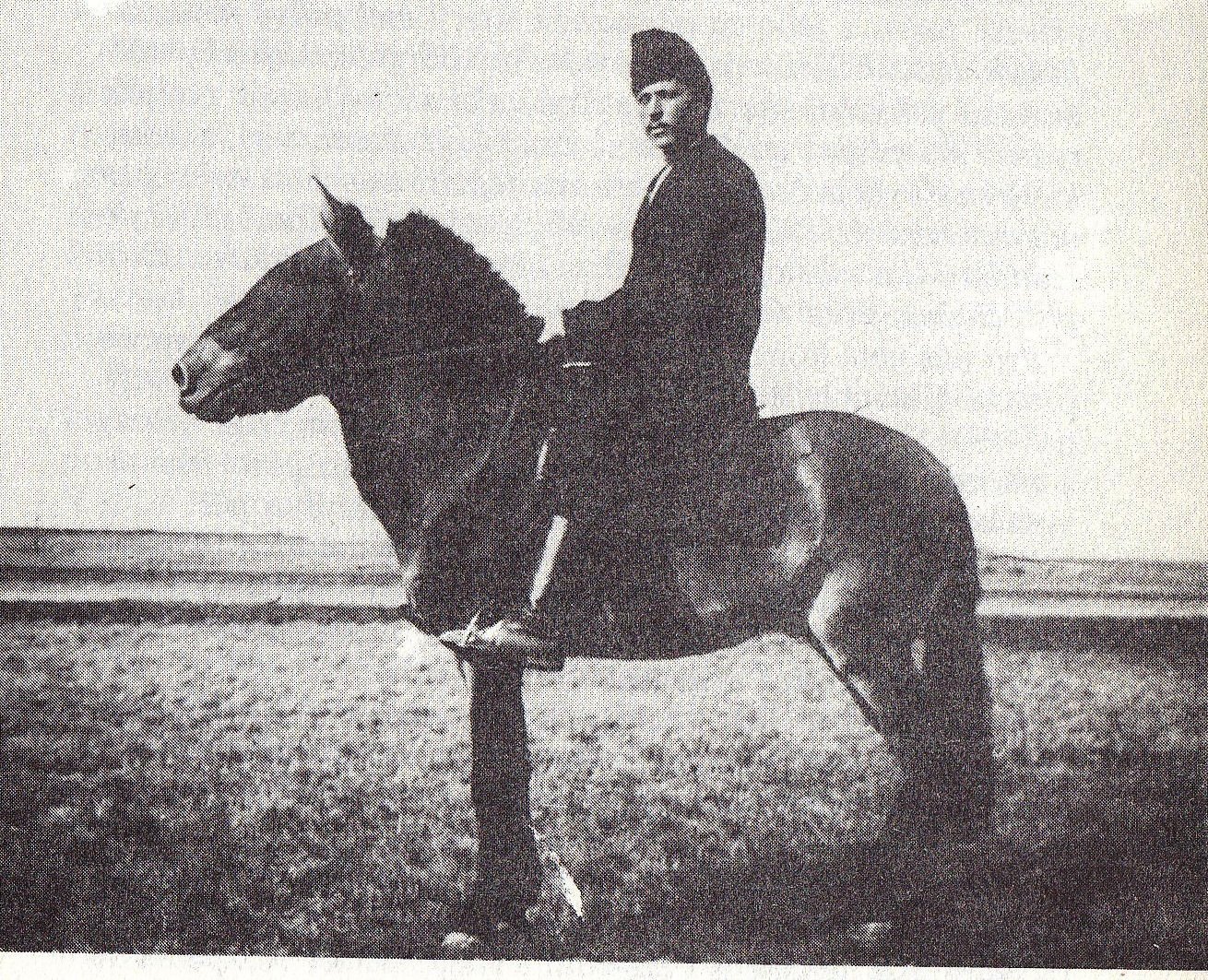
Horses live in small bands: one stallion, several mares and their young. People think the stallion is the boss, but often an older mare decides where the band goes. The stallion guards them.
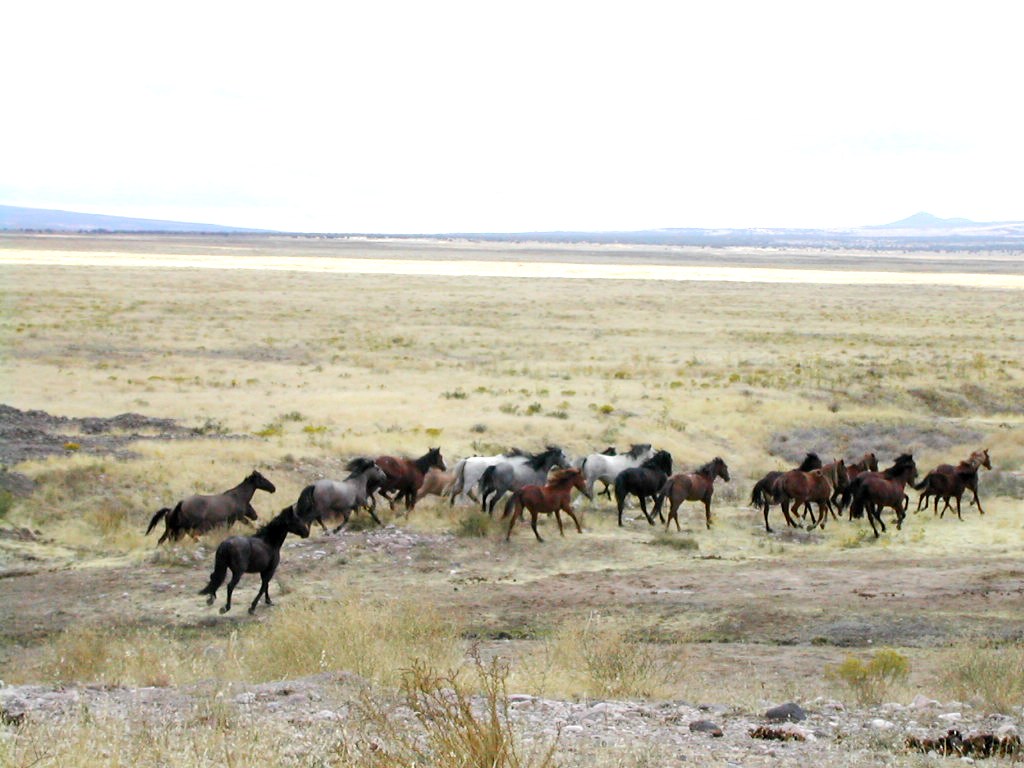
Horses are always watching for danger. Their eyes are on the sides of the head, so they can see almost all the way around! They can even sleep standing up, ready to run, though they also lie down for deep sleep. Horses talk with their ears, lips and tails, and can tell if a human face looks happy or angry.


India has its own wild ass, the khur, in the Little Rann of Kutch in Gujarat. Its numbers have grown from a few hundred to several thousand. The kiang lives high up in Ladakh.


A horse called Clever Hans seemed to do sums by tapping his hoof. Really, he was reading tiny signals on people's faces!
The horse and the empire
Horses gave people speed. With horses and chariots, armies could go far and fast. The Mongols built the largest land empire ever, on horseback.

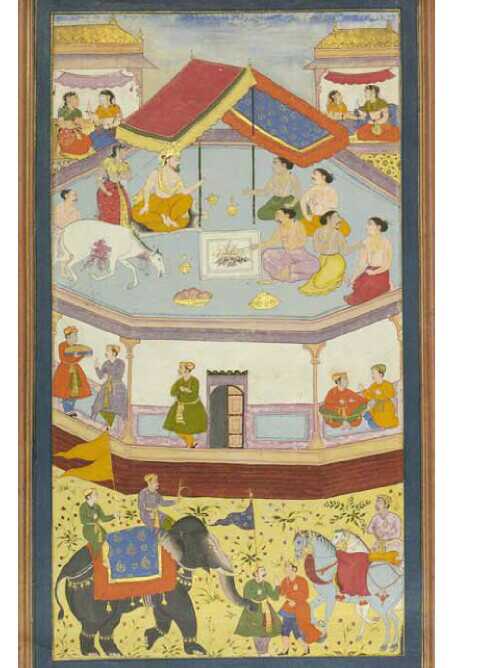

In the Rigveda, seven horses pull the sun god Surya's chariot. Indra rides a white, seven-headed horse that came out of the churning of the ocean. The Buddha left his palace on his horse Kanthaka. Maharana Pratap's brave horse Chetak carried him to safety from battle. India's Marwari horses have ears that curve inward and sometimes touch at the tips!


The Sun Temple at Konark is shaped like a chariot pulled by seven stone horses. Many children learn the poem about Rana Pratap's brave horse Chetak, and everyone loves Dhanno, the tonga horse in Sholay (1975).


Winged horses and the white horse on the hill
In Greek myth, Pegasus is a horse with wings. In Norse myth, the god Odin rides Sleipnir, a horse with eight legs!


On a hill in England is the Uffington White Horse, a giant horse shape made of white chalk, more than a hundred metres long. It is about three thousand years old. It survives only because people climb the hill again and again to clean it, generation after generation.

What the horse teaches
A horse is built to run away from danger, yet it learned to trust people enough to carry them. That trust took patience and understanding. Cave painters drew horses more than any other animal, and we still love them today.

Read Black Beauty (1877), a story told by a horse.

