Epilogue
Back to the Market
We return to the village market where we began. Nothing has changed, but now we can see so much more.
Assisted and Curated by Claude, Referenced and Collated by me
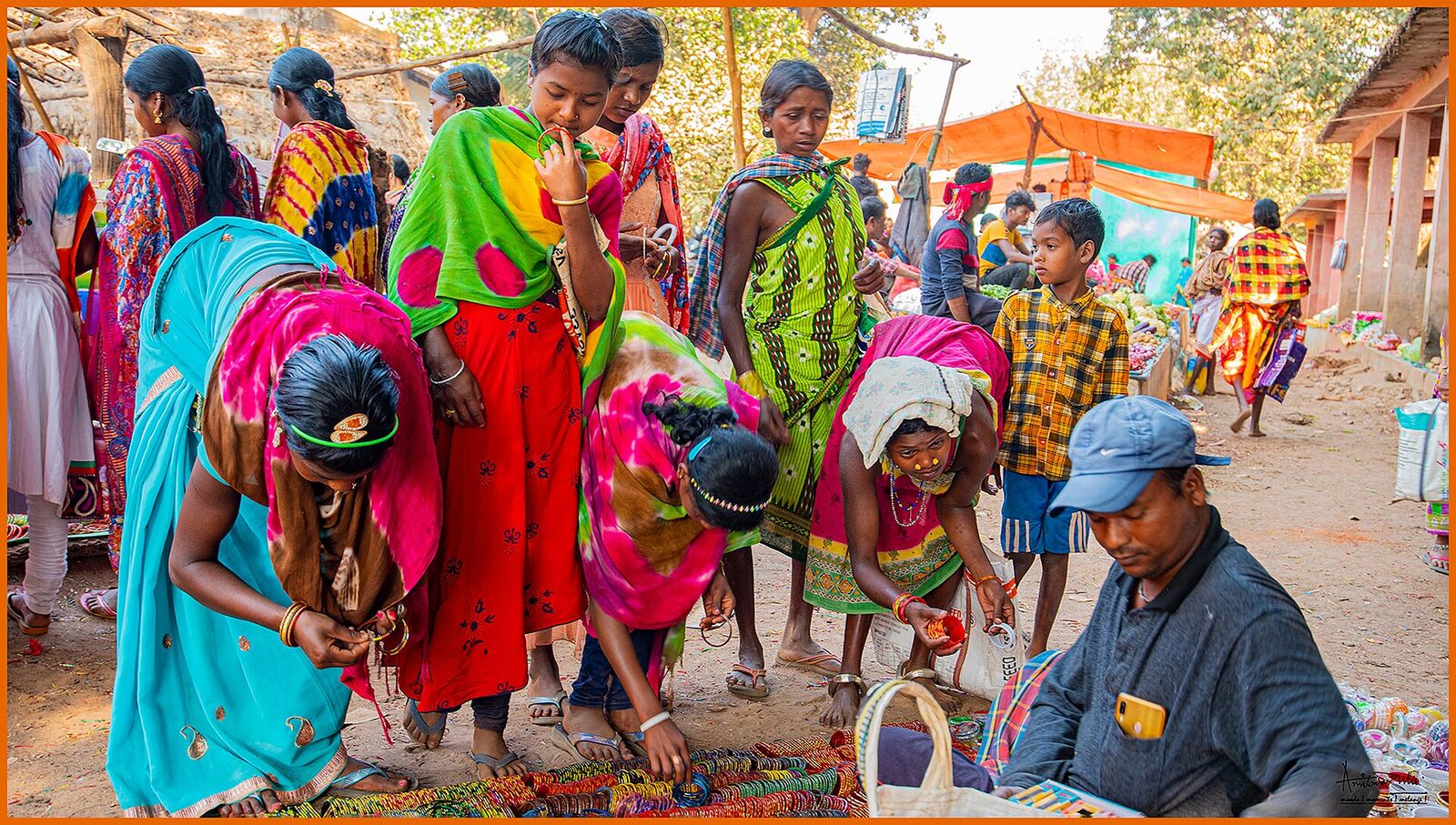
It's Thursday again, and the weekly market, the haat, is gathering under the trees. Women walk in from villages carrying tamarind and grass for brooms on their heads. Traders spread out plastic sheets. The watch repairer sets up his table, and a young man with dyed hair checks his phone. Nothing has changed. But everything has, because now we know how to look.
The woman with the tamarind
Watch an old woman selling tamarind. Before, she was just someone selling something. Now let's look again, with all our new glasses.
With the glasses of belonging, we see she sits where her grandmother sat and knows everyone around her. At next month's festival she'll feel that fizzing feeling Durkheim talked about. And if her sons move far away and the village empties, she may feel lonely and lost.
With the glasses of fairness, we see she's at the very end of a long chain. Her tamarind goes to big markets and factories she'll never see. The price she gets feels like a fixed fact, but really it's decided by people with more power. Her grandchildren's chances at school will depend partly on things she can't give them, like books at home.
With the glasses of meaning, we see how she sees herself through others' eyes and asks, "What will people say?" She walks confidently among her own people but lowers her eyes in front of an official. At a government office, she feels like a stranger who doesn't know the rules.
With the glasses of power, we see that her rations, forest rights and identity are written in files she'll never read. If a dam or mine is planned nearby, the decision may be made far away, on a map, by people who never see her face.
With the glasses of being left out, we see she may be an Adivasi woman whose knowledge of the forest is called "just custom", and whose hard work at home is never counted. Caste, being a woman, being poor and where she lives all meet in her life at once.
With the glasses of change, we see a new road, a phone tower and people coming and going changing her world fast. Her grandchildren will grow up in ways she can't imagine.
No single pair of glasses shows the whole truth about her. Together, they show how one ordinary woman's morning is touched by huge forces. But she isn't just pushed around by them. She bargains, jokes, says no, remembers, chooses, and sometimes joins with others to change things.
Ways of thinking to keep
If this book has worked, it leaves you with some habits of thinking that matter more than any list of names.
Be amazed by ordinary things. The queue, the exam, the school uniform, the price of things, which jobs people respect and which they look down on: all of these were made by people, at certain times, for certain reasons. Once you see that, the world looks stranger and more open.
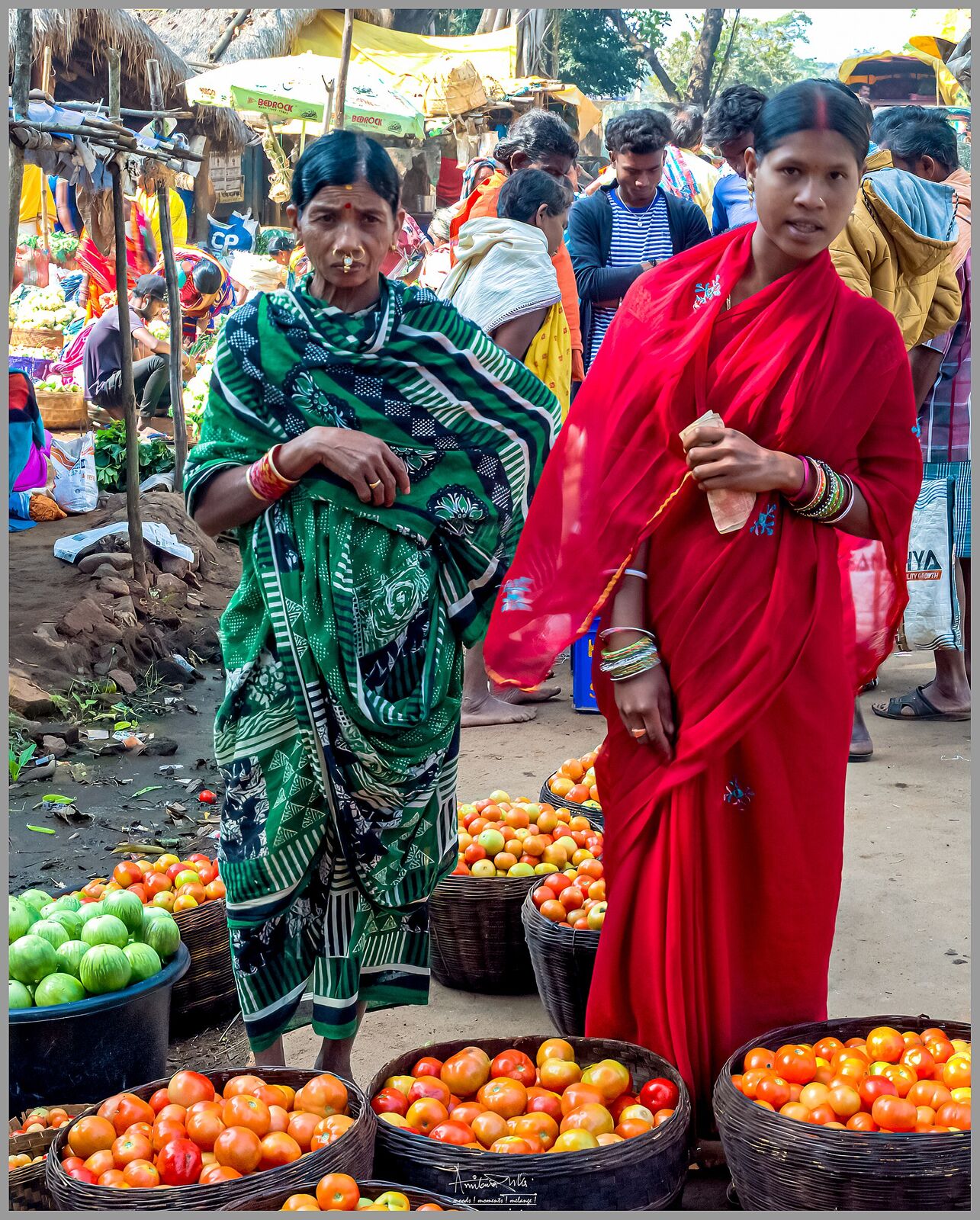
Connect one person's trouble to bigger patterns. When a farmer is in debt or a student can't cope, don't only look at the person. Look at the world around them too. That isn't making excuses. It's being fair, and it's how people start fixing things together.
Switch glasses. Each thinker sees some things clearly and misses others. Marx sees unfairness but misses the sacred. Durkheim sees togetherness but misses power. If you can switch glasses and know what each one misses, you start to see the whole picture.
Look from the bottom up. Some of the wisest views of society have come from people at its edges, like Du Bois, Ambedkar and others who had to understand the world in order to survive in it. Those nearer the top can learn a lot by listening patiently to them.
Remember the face behind the file. As offices get more powerful, decisions about people are often made far away, using maps, numbers and computer programs. We can't get rid of files. But we can keep remembering the real people: visit the riverbank before signing the order, meet the family behind the number, and ask not just "was it done properly?" but "was it right?"
Order is fragile
These thinkers showed how easily things can break. One odd question can spoil a conversation. Good manners built over centuries can vanish in a season of fear. Loneliness and lies can turn ordinary people toward cruelty. Peace and order don't just happen. They're built every day, with trust, rituals, laws and small kindnesses.
The people who keep things running, such as teachers, nurses, judges, clerks, police officers, health workers and parents, have a big responsibility that's easy to forget. Sociology doesn't make that job lighter. It helps us see it.
The freedom at the end
The deepest lesson of all is about freedom. Everything in this book was built by people. Sometimes we forget, and think things are natural or holy or can never change. But if people made the world, people can remake it.
Look at all the proof! People started using handkerchiefs and toilets. Dalits drank from the Chavdar Tank, and Ambedkar helped write India's Constitution. Women became presidents, scientists and pilots. Villagers read out government records and changed the law. Hill women hugged trees to save their forest. Forest villages said no to a mine on their holy mountain. And a boy who wasn't allowed to drink from the school tap grew up to be one of the most learned people of his century. Each time, people saw that something called "natural" was actually made, and made something better.
The thinkers agree: we can answer back to the voices that shape us, and good ideas can grow inside old habits. Bourdieu said sociology is like a martial art. It helps protect us from being shaped only by our circumstances.
If people made the world, people can remake it.
The market is busy now. The old woman has sold her tamarind and bought salt and some cloth. The young man has bought a phone cover and is laughing with friends. Two families may have agreed on a wedding. In the evening the traders will drive back to town, and the women will walk home as the sky gets dark. Tomorrow the ground under the mahua trees will be empty until next Thursday.
It looks simple, but it's the most complicated thing in the world: people who need each other, make meanings, build ladders and struggle against them, and sometimes see the hidden forces around them and change them. The thinkers in this book spent their lives trying to see. Some went to prison, some had to leave their countries, and some were forgotten for a while. They left us their eyes. The least we can do is look, and then act with a little more understanding and a little more kindness toward everyone we share the world with.