Chapter 10
Love Is Something You Do
We often think love is a feeling that just happens to us. Great thinkers said love is more like a skill you practise every day.
Assisted and Curated by Claude, Referenced and Collated by me
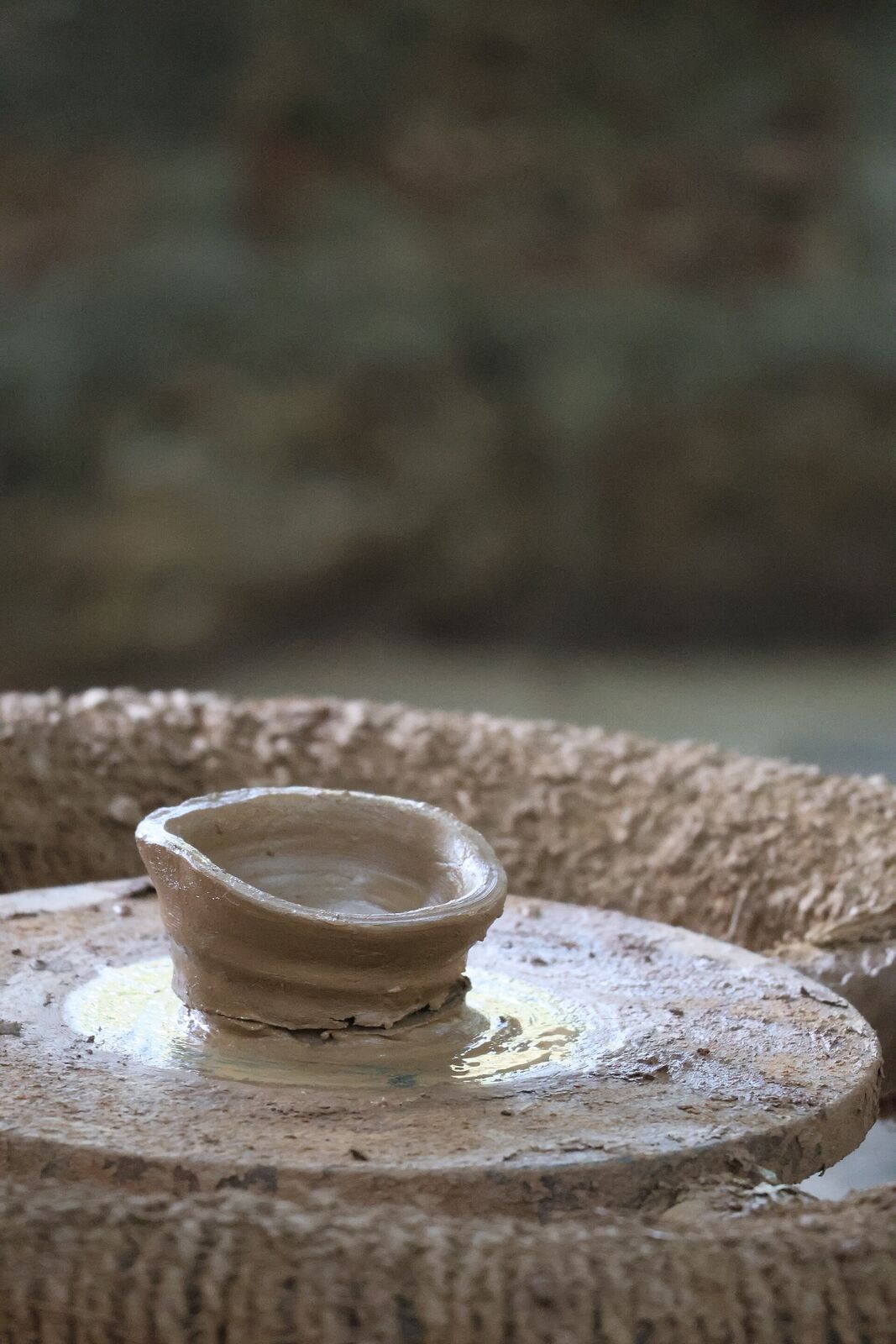
A made-up story: Farhan
Farhan has had three long relationships. Each started with strong, exciting feelings, and each ended a few years later when "the feeling faded". He believes in "the one": a connection so powerful it carries you through everything. "When it's right," he says, "you'll just know."
Recently, he watched his parents look after each other while his father was ill: his mother spooning soup for him, his father making weak jokes to make her laugh. Farhan wondered if he'd misunderstood something. "They don't look 'in love'," he says. "They look like something else, something I don't have a word for."
The art of loving
In 1956, a German-American thinker named Erich Fromm wrote a short book that's still read everywhere: The Art of Loving. His big idea is in the title. Love, he said, isn't mainly a feeling that happens to us if we're lucky. It's an art, like music or painting, that needs knowledge and practice.
Fromm said people get love wrong in three ways. First, they think the problem is being loved, being attractive and impressive, instead of learning how to love. Second, they think the problem is finding the right person, instead of growing their own ability to love. Third, they mix up the exciting start of a relationship, "falling" in love, with "standing" in love over time.
Most people think loving is easy and finding the right person is hard. Fromm thought it was the other way round.
Fromm said the exciting "falling" feeling is strong precisely because two people were strangers, and it naturally fades as they get to know each other. People who think that feeling is love decide love is gone when it fades, and go looking for a new stranger. That's exactly what happened to Farhan three times!
Four parts of real love
So what is grown-up love? Fromm said it brings people close while letting each person stay themselves. He named four parts found in every kind of love, for partners, family and friends:
- Care: actively looking after someone's life and growth. Fromm said if there's no active caring, there's no love, however strong the feelings.
- Responsibility: not a duty forced on you, but choosing to respond to someone's needs, even unspoken ones.
- Respect: from a Latin word meaning "to look at". Seeing someone as they really are, and wanting them to grow in their own way, not to suit you.
- Knowledge: making the effort to know someone deeply, beyond the surface.
These match Gottman's research in the last chapter almost exactly! Respect is the opposite of contempt. Knowledge is the "love map". Care and responsibility are turning toward each other's little bids.
Fromm also said love is a decision and a promise. If love were only a feeling, nobody could promise to love forever, because feelings come and go. But a decision can be kept.
Falling in love isn't the whole of love
 M. Scott PeckAn American psychiatrist named M. Scott Peck said something similar. He described love as choosing to stretch yourself to help another person, or yourself, grow. Love is something you do, and it takes effort.
Peck said falling in love is wonderful but temporary: a feeling of melting into another person that happens without effort, and always ends. When it ends, people realise they're two separate people with different wants. That's when, Peck said, real love can begin.
Peck also said depending on someone completely isn't love. Real love leaves both people free. It's chosen, not forced.

Peck: when the falling feeling ends, real love can begin.
Two who guard each other
 Rainer Maria RilkeA poet named Rainer Maria Rilke said that the best thing two people who love each other can do is protect each other's private inner space. Love isn't two incomplete halves melting into one. It's two whole people meeting, each respecting the other's world.
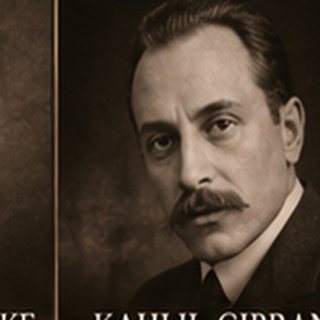 Kahlil GibranThe poet Kahlil Gibran, often read at weddings, said couples should leave spaces in their togetherness, like the pillars of a temple, which stand apart and so hold up the roof together.
Both pictures say the same thing Perel said: closeness with no room for each person to be themselves eventually feels suffocating.
I and You
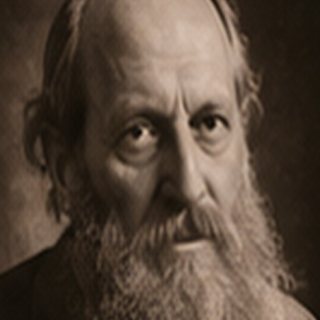 Martin BuberA philosopher named Martin Buber described two ways of relating. In "I and It", we treat others like objects: things to use, judge or compare. In "I and You", we meet another person fully, as a whole person, without using or measuring them.
Much of everyday life is "I and It". We can't deeply meet every shopkeeper! But in love, "I and It" is poison. When we judge someone's looks or status, compare them with others, or ask what they say about us, we treat them as an "It". Love, for Buber, lives in meeting someone as a "You".
Kabir's narrow lane
 KabirThe poet-saint Kabir, who lived about six hundred years ago in north India, wrote a couplet that's still sung today:
Kabir was talking about love for God, and the "two" that can't fit are our ego and the beloved. But it works for human love too. When our "I", with its comparing, showing off and worrying, takes up the whole lane, there's no room for anyone else. Love asks the ego to step aside a little.
Love without keeping score
The Bhagavad Gita teaches nishkama karma: doing good actions without clinging to what you'll get in return. Krishna tells Arjuna to act well and wholeheartedly, and let go of demanding a particular reward.
In relationships, that suggests a love that doesn't keep a scorecard: I did this much, so you owe me that much. Keeping score slowly poisons love. That doesn't mean accepting unfairness, because both people should give. But the best love is given wholeheartedly, not as a deal.
Farhan's new word
A friend suggested Farhan read Fromm. Afterwards, he said he had finally found the word for what he saw between his parents. It wasn't a feeling. It was a practice, kept up for forty years.
"I always thought love was something that happened to you," he said. "I kept waiting for it to happen and stay. But it doesn't just stay. You have to keep doing it."
What to remember from this chapter
- Love is a skill you grow, not just a feeling you find.
- The exciting start of love always fades, and that's where deeper love can begin.
- Real love includes care, responsibility, respect and knowing each other.
- Healthy love protects each person's own inner space.
- Comparing and judging treat people like objects. Love meets them as whole people.
- Love without keeping score, given wholeheartedly, is the Gita's answer.